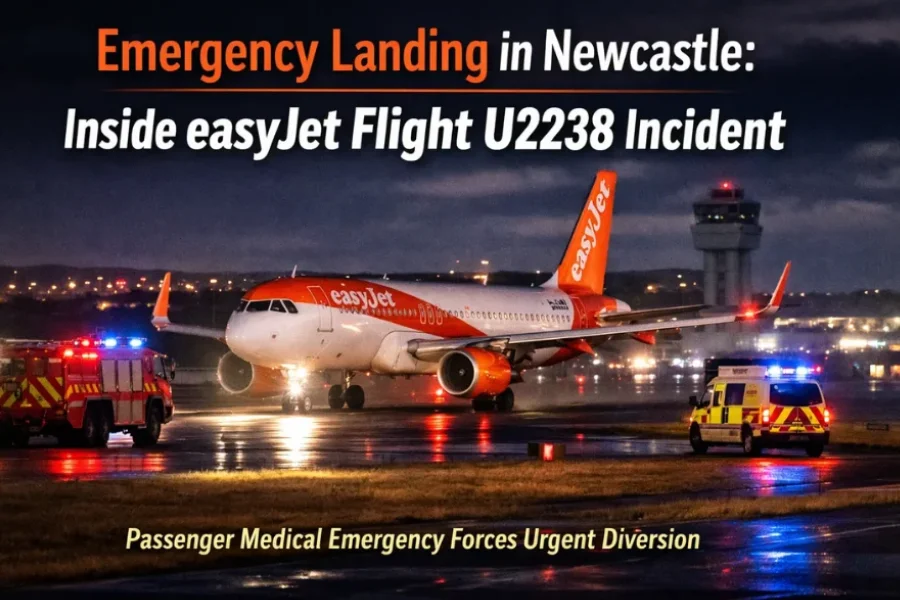
Everything You Should Know About EasyJet Flight U2238 Emergency Landing Newcastle
A headline like “EasyJet Flight U2238 emergency landing Newcastle” can feel alarming at first. It sounds like something went badly wrong. This wasn’t a crash or a technical failure. It was a quick, careful decision made to protect someone’s health.
Passengers were expecting a normal arrival. Then, mid-flight, a passenger became seriously unwell. In that moment, the crew had to act fast. They assessed the situation, informed the pilots, and within minutes, a new plan was in place.
Instead of continuing to Manchester, the pilots diverted to Newcastle. Why? Because getting medical help faster can make all the difference. If you’ve never been on a diverted flight, it can feel confusing. You might wonder what’s happening, why the route changed, or if something dangerous is going on. These are normal thoughts.
In this article, you’ll get a clear and simple explanation of what really happened on EasyJet Flight U2238. You’ll also learn how these situations are handled and what they mean for passengers like you. By the end, you’ll see that this incident is not about danger. It’s about a system working exactly as it should.
What Happened on Flight U2238 (Quick Summary)
Passengers were settled in their seats, expecting a calm flight. But partway through, a passenger became seriously unwell. What started as a small concern quickly escalated into a situation that required immediate attention. The cabin crew quickly assessed the passenger and realized this was not a minor issue. They provided first aid, used oxygen as needed, and relayed information to the pilots.
The pilots had to make a fast decision. Continuing to Manchester could have delayed medical help, so they chose to divert the aircraft to Newcastle Airport. This decision was guided by training, safety protocols, and the need to get the passenger help as quickly as possible. The diversion was handled smoothly with air traffic control coordinating a priority landing.
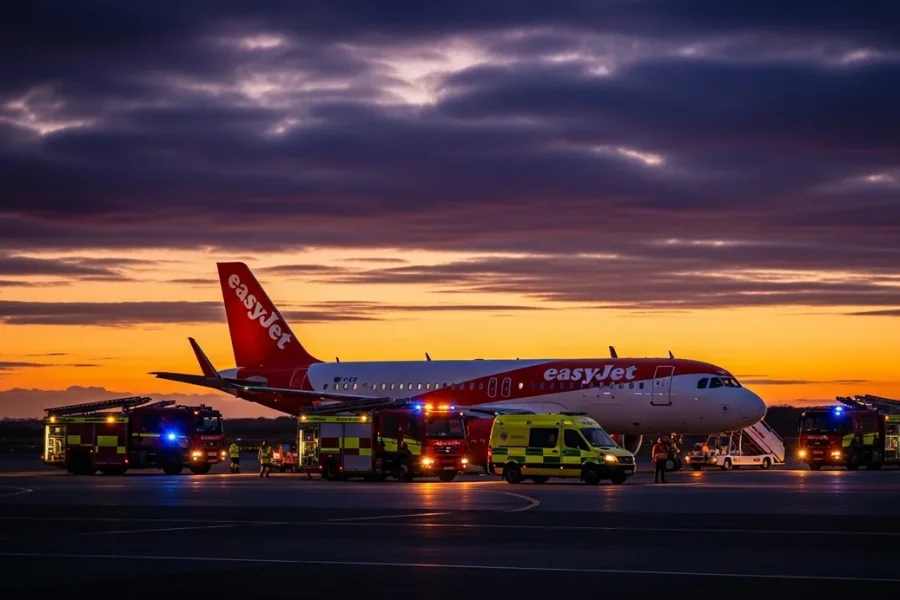
The aircraft touched down safely, and paramedics were ready on the tarmac. The passenger was transferred immediately to the Royal Victoria Infirmary for treatment. Other passengers were safe, although their journey was delayed. No injuries were reported among them.
For passengers, a diversion can feel sudden and alarming. But in aviation, it’s a controlled process. Crews rehearse these scenarios regularly, and protocols are in place to make sure everyone onboard stays safe. The incident also shows how airlines respond efficiently when time is critical.
Why the Flight Diverted to Newcastle Instead of Manchester
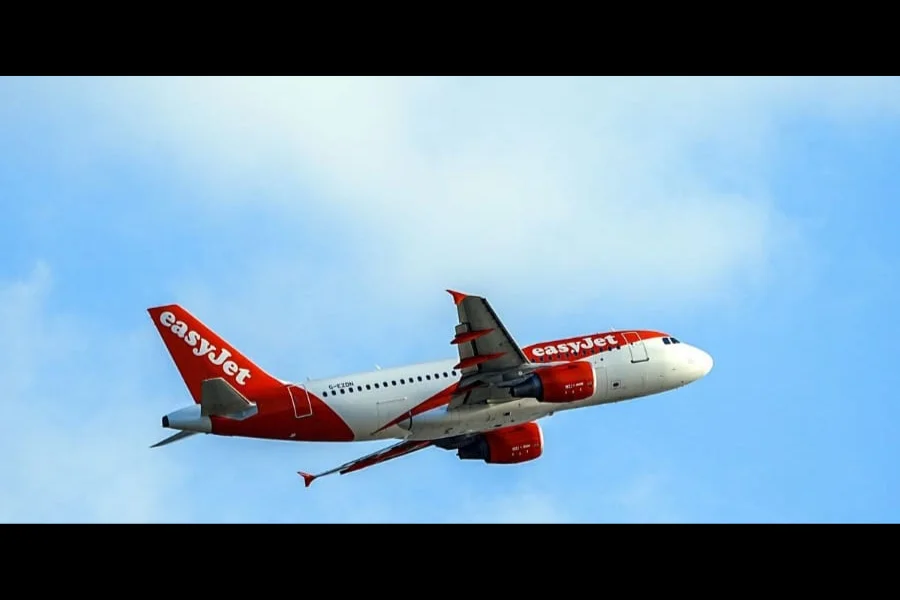
It’s natural to wonder why the flight didn’t continue to Manchester. After all, that was the planned destination. In aviation, though, pilots focus on safety and time rather than sticking to schedules. Every minute matters when a passenger is in serious medical distress.
At the moment the emergency occurred, Newcastle was closer than Manchester. That shorter distance meant medical teams could reach the passenger faster. But distance isn’t the only factor pilots consider. They also assess:
- Runway size and suitability for the aircraft
- Availability of emergency services and paramedics
- Weather conditions that could affect landing
- Overall airport readiness for an emergency arrival
Newcastle Airport met all these criteria. It could handle an Airbus A320 comfortably and coordinate medical teams immediately. Think of it like choosing a hospital in an emergency—you go to the closest one that can provide the right care, not necessarily your usual hospital.
This approach is standard practice in commercial aviation. Forbes (2023) notes that airlines prioritize safety and speed over cost or schedule when emergencies occur. The diversion isn’t a sign of something going wrong—it’s the system working exactly as it should.
What Caused the Emergency on Board
| What To Do | Why It Helps |
|---|---|
| Stay calm | Panic makes situations harder |
| Follow crew instructions | Ensures safety for everyone |
| Listen to announcements | Keeps you informed |
| Keep documents ready | Helps during rebooking |
| Save receipts | Useful for compensation claims |
Airlines usually keep exact medical details private, and that’s completely normal. But we can still understand what happened and why it required urgent action.
Medical emergencies on flights are more common than many people realize. At 35,000 feet, your body reacts differently. People can feel unwell for many reasons, sometimes unexpectedly. Common triggers for in-flight medical emergencies include:
- Breathing problems
- Chest pain or heart issues
- Fainting or dizziness
- Severe allergic reactions
Unlike being on the ground, planes have no hospitals nearby. Equipment is limited, and space is tight. That’s why cabin crews are trained to act immediately. In practice, it works like this: a passenger reports feeling unwell, or the crew notices symptoms. Crew members quickly assess the situation, use onboard medical kits, and sometimes ask if a doctor is on board.
If the situation seems serious, the pilots are informed immediately. They then evaluate options, considering where the plane can land fastest with the best medical support. Clear communication between crew and pilots is critical. HubSpot (2024) emphasizes that smooth coordination during emergencies improves outcomes—and this principle is applied exactly in situations like this.
Diverting a flight is never taken lightly. It only happens when a passenger’s health reaches a level that requires urgent intervention. The decision prioritizes life over schedule or convenience.
What “Declaring an Emergency” Means (Including Squawk 7700)
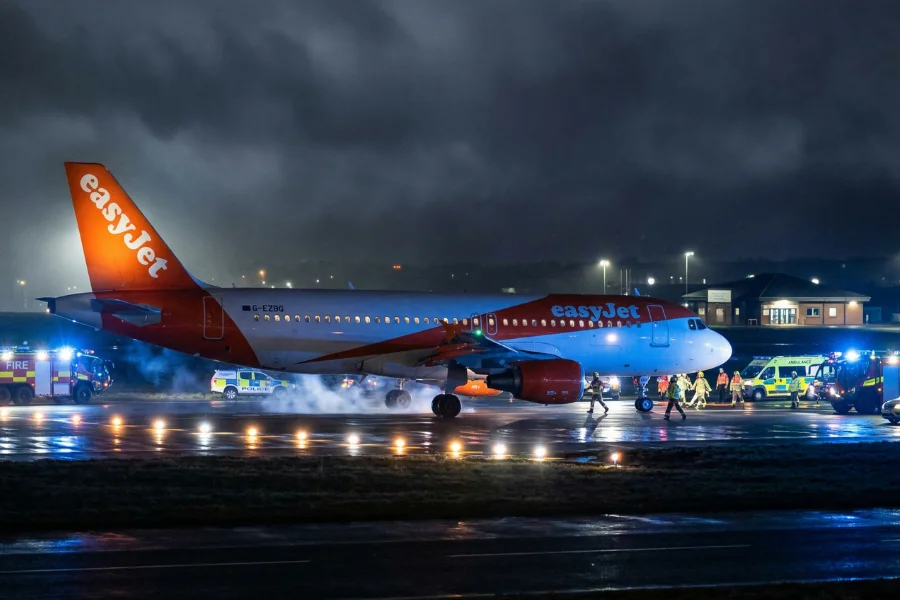
The phrase “declaring an emergency” can sound scary, but in aviation, it’s a standard safety procedure. It’s a way for pilots to request priority and make sure help is ready as soon as possible. When an emergency is declared, air traffic control gives the plane a clear path to land without delay.
You might also hear the term “Squawk 7700.” This is a code pilots enter into the aircraft’s transponder. Think of it like pressing a priority button. Once activated:
- Air traffic control sees the emergency instantly
- Other nearby aircraft are moved out of the way
- Emergency services prepare to respond on the ground
Many people assume an emergency declaration signals a mechanical problem. That’s not necessarily true. Often, like on Flight U2238, it’s about a medical situation or a passenger’s safety. Declaring an emergency simply ensures the crew gets the fastest possible help.
It’s a procedure designed to reduce stress and improve response time. Search Engine Journal (2023) points out that clarity in communication reduces panic and prevents confusion during high-pressure situations. Knowing what “declaring an emergency” really means can calm nerves for passengers and onlookers alike.
Step-by-Step Timeline of the Incident
| Time / Stage | What Happened | Result |
|---|---|---|
| Takeoff from Copenhagen | Flight started normally | Routine journey |
| Passenger became unwell | Cabin crew assessed condition | Medical emergency identified |
| Pilots informed | Nearby airports evaluated | Decision to divert |
| Diversion to Newcastle | Air traffic control notified | Priority landing arranged |
| Landing & medical response | Paramedics boarded aircraft | Passenger received treatment |
Let’s go through the events of Flight U2238 step by step. The plane took off from Copenhagen as scheduled. Everything started normally, just like any other flight. Passengers settled in, and the journey seemed routine.
Midway through the flight, a passenger suddenly became unwell. At first, the situation may have seemed manageable, but it quickly escalated. Cabin crew noticed and acted immediately. They assessed the passenger, offered basic medical care, and ensured comfort while monitoring symptoms.
At the same time, they informed the pilots. The pilots then contacted air traffic control to discuss options. They considered nearby airports that could handle the plane safely and provide immediate medical attention. After evaluating the choices, they decided to divert to Newcastle, which was the fastest and most suitable option.
Once the decision was made, everything moved quickly. The plane changed course, air traffic control cleared a priority path, and emergency services at Newcastle were alerted and ready. Within minutes, the aircraft was approaching its new destination. After landing, medical staff boarded without delay to take the passenger to care.
This entire process, from the initial emergency to a safe landing, can occur in under 30 minutes. It highlights the speed and precision of modern aviation systems. Each step is practiced repeatedly by crew and pilots, ensuring that passenger safety is always the top priority.
| Time / Step | Action Taken | Outcome |
|---|
| Takeoff from Copenhagen | Flight begins normally | Routine |
| Passenger becomes unwell | Crew assesses condition | Emergency identified |
| Pilots informed | Evaluate nearby airports | Decision to divert |
| Diversion to Newcastle | Air traffic control notified | Priority landing granted |
| Landing & transfer | Paramedics onboard | Passenger receives care |
What Passengers Experienced During the Diversion
For passengers on Flight U2238, the emergency landing likely felt sudden and surprising. One moment, everything seemed normal; the next, the plane was changing course. While it might feel unsettling, the cabin crew are trained to manage these situations calmly.
Passengers may notice a few key signs during a diversion:
- Crew moving quickly to attend to the emergency
- Announcements explaining the change in destination
- A faster or steeper descent than usual
Even simple actions from the crew make a big difference. They keep their voices calm, provide updates without causing panic, and reassure passengers that the situation is under control. Crew members also manage the cabin carefully, making sure aisles are clear and checking on anyone who might feel anxious.
Clear communication is crucial. When passengers know what is happening, it reduces fear and builds trust. According to HubSpot (2024), providing timely and honest updates during emergencies helps passengers feel safer and more confident in the crew’s ability to handle the situation. Small gestures, like reassuring words or checking in with nervous passengers, have a huge impact in these moments.
What Happened After Landing in Newcastle
Once Flight U2238 touched down in Newcastle, the focus immediately shifted to medical care. Emergency teams were already on standby and boarded the aircraft without delay. The passenger who was unwell was assessed right there, then quickly transferred to a nearby hospital. Fast action like this is critical—every minute can improve outcomes in a medical emergency.
Meanwhile, the airline turned its attention to the other passengers. Here’s what typically happens in situations like this:
- The plane may refuel for the next leg of the journey
- Crew check schedules and duty limits
- Passengers receive updates about delays or onward travel
Depending on the situation, the flight may continue to its original destination, or passengers might be rebooked on another flight. Realistically, delays are common after a diversion, but airlines work hard to minimize disruption.
Passengers may also be entitled to support, such as meals, accommodation, or help with rebooking, depending on airline policy and local regulations. Forbes (2023) notes that airlines balance safety with customer care, ensuring passengers are looked after while handling the emergency.
How Common Emergency Landings Like This Are

Emergency landings might feel dramatic or rare, but they actually happen more often than most people realize. Every day, thousands of flights operate worldwide, carrying millions of passengers. With so many people in the air, medical emergencies are bound to occur.
Medical issues are one of the most common reasons flights are diverted. People of all ages fly, and some may have hidden health conditions. Even minor problems can feel worse at high altitude, which is why crews stay vigilant.
Airlines expect these situations. Cabin crew and pilots receive regular training, and aircraft are equipped with medical kits. Aviation systems are designed to respond quickly and safely. Think of it like a fire drill: it happens more often than you realize, but it’s controlled and well-rehearsed.
Search Engine Journal (2023) emphasizes that knowing how common diversions are helps passengers stay calm. When you hear “emergency landing,” it doesn’t necessarily mean danger—it usually means precaution and quick action.
How Pilots Train for In-Flight Emergencies
Pilots don’t just learn to fly—they learn to handle the unexpected. Emergencies, whether a medical issue, engine trouble, or sudden severe weather, can happen at any time. To prepare, pilots spend countless hours in flight simulators. These simulators replicate real airplanes, airports, and weather conditions, letting pilots practice scenarios without putting anyone at risk. For example, they might simulate a passenger falling seriously ill mid-flight or a rapid cabin depressurization. Each drill teaches pilots how to make quick, safe decisions while staying calm under pressure.
Decision-making is a huge part of training. Pilots must weigh multiple factors at once: the nearest suitable airport, runway length, medical or emergency support, and weather conditions. They also practice communicating clearly with air traffic control and coordinating with the cabin crew, because every second counts in an emergency. Real-life drills reinforce these skills, often conducted in controlled environments where pilots experience high-stress situations and must act fast. This repetition builds instinctive reactions, so if something goes wrong in the air, pilots already know the safest course of action.
Regulatory authorities also require recurrent training every year. This ensures pilots stay updated on the latest procedures, technology, and safety protocols. When Flight U2238 diverted to Newcastle, the pilots’ training made the rapid decision smooth and safe, demonstrating how preparation in simulators and drills directly translates to protecting passengers in real life.
Cabin Crew Roles During Emergencies

Cabin crew are the unsung heroes of in-flight emergencies. When a passenger becomes unwell or a flight must divert, flight attendants take immediate action to protect everyone on board. Their first task is assessing the situation. They quickly determine if a medical emergency is serious, sometimes asking if a doctor is present. While pilots decide on diversion, cabin crew manage the cabin, keeping passengers calm and organized. They use clear, reassuring announcements and check that aisles are free for movement and medical staff if needed.
Flight attendants also handle the logistics of care. They provide first aid, use onboard medical kits, and operate equipment like defibrillators or oxygen masks. During the diversion of Flight U2238, the crew likely coordinated with the pilots and air traffic control, relaying updates about the passenger’s condition. This communication is crucial because it allows the pilots to make informed decisions quickly. Cabin crew training emphasizes teamwork under pressure, combining emergency response with customer care. They practice scenarios regularly, including medical issues, rapid evacuations, or turbulence-related injuries.
In addition to immediate care, cabin crew ensure that the rest of the passengers remain safe and informed. They answer questions, soothe fears, and manage any anxiety that comes with an unexpected landing. Their calm presence and experience help maintain order during what could otherwise be a chaotic situation.
Technology and Equipment That Keep Passengers Safe
Modern airplanes are equipped with tools designed to handle emergencies efficiently. One key piece of equipment is the onboard medical kit, which includes first aid supplies, medications, and sometimes defibrillators. These kits allow cabin crew to provide immediate care while the pilots divert the flight if necessary. Oxygen masks, another critical tool, can be deployed in case of sudden cabin depressurization, keeping passengers safe until the aircraft reaches a safe altitude.
Transponders also play a vital role. Codes like Squawk 7700 alert air traffic control to emergencies, granting priority clearance to land quickly. Think of it as a direct line to ensure the plane receives the fastest route to safety. Pilots and crew rely on these systems to communicate efficiently with ground services, which can have medical teams ready the moment the plane touches down. Communication devices onboard, such as radios and intercoms, allow crew to coordinate in real time and manage the cabin effectively.
Additionally, aircraft are built with safety redundancies. Backup power, multiple navigation systems, and emergency lighting all work together to prevent accidents. Even something as simple as seat belts and emergency exit signage is part of a comprehensive safety network designed to protect passengers under any circumstances. In the case of Flight U2238, these technologies ensured the diversion and landing were smooth and safe, illustrating how preparation and equipment go hand in hand.
What You Should Do If Your Flight Gets Diverted
If your flight is ever diverted, the best thing you can do is stay calm. Panic rarely helps, and crew members are trained to handle the situation. Focus on what you can control and follow instructions carefully.
Here’s what helps in real life:
- Follow crew instructions and announcements
- Stay seated unless told otherwise
- Keep travel documents and essentials safe
- Pay attention to updates from staff
Delays may occur, so it helps to be practical. Ask airline staff about:
- Rebooking options for your onward journey
- Meal or hotel support if the delay is long
- Any next steps or transport arrangements
Also, keep receipts if you incur expenses due to the diversion. Avoid arguing or panicking—it rarely speeds things up. Google (2024) highlights that clear, practical advice makes disruptions easier to manage. Staying informed and proactive can make a stressful experience much smoother.
Final Words
A headline like “EasyJet Flight U2238 emergency landing Newcastle” can sound alarming, but the reality was far from dangerous. Flight U2238, en route from Copenhagen to Manchester, had to divert because a passenger became seriously unwell. Cabin crew acted immediately, providing first aid and oxygen while alerting the pilots. Safety protocols prioritize health over schedules, so the pilots chose Newcastle—the nearest airport with suitable runways and medical support—for a priority landing.
The plane landed safely, and paramedics quickly transferred the passenger to the Royal Victoria Infirmary. Other travelers were unharmed, though delayed. Declaring an emergency, including using “Squawk 7700,” is a standard procedure to ensure swift response, not a sign of mechanical failure.
Medical emergencies on flights are common, and crews are trained to respond efficiently. Passengers should remain calm, follow instructions, and stay informed. Flight U2238 illustrates how aviation systems, crew training, and rapid decision-making work seamlessly to protect lives.
For more helpful tips and reliable services, trust Arcadia Movers to make your move smooth and stress-free.