How the Melker schörling ab / anticimex förvärvsstrategi Builds Global Leaders Through Buy-and-Build Growth
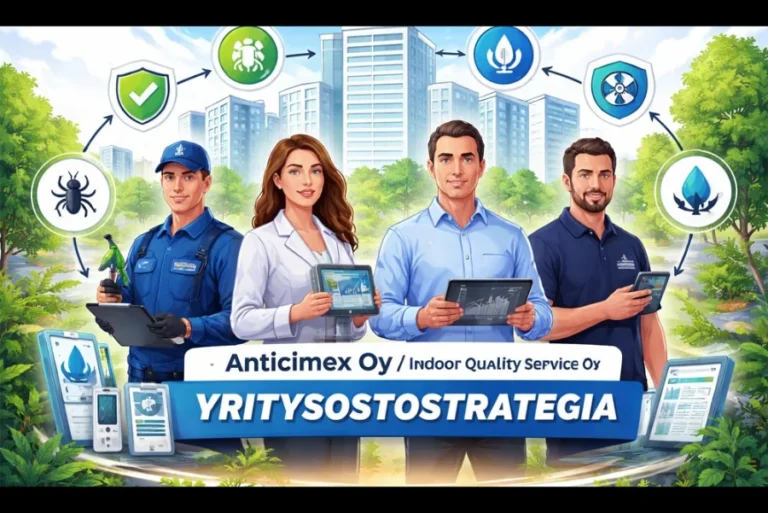
The Melker Schörling AB / Anticimex förvärvsstrategi is a growth method built on buying existing companies instead of building new ones from scratch. The idea is simple. You enter a market by acquiring a local business that already has customers, staff, and working systems. From there, you slowly improve and connect it to a larger group.
This approach removes many early risks of starting a business. You don’t need to spend years building trust or finding customers. The business is already running when you acquire it. What changes is how it is supported, managed, and improved over time.
In practice, Anticimex does not rush to change everything after an acquisition. The focus stays on stability first. Then improvements are introduced step by step. This makes the transition smoother for both employees and customers.
The strategy is especially useful in industries where local presence matters. Pest control is a good example because customers rely on trusted local service providers. A global brand alone is not enough without local relationships.
Simple explanation of “förvärvsstrategi” (acquisition strategy)
The term “förvärvsstrategi” means acquisition strategy. It describes how a company grows by buying other businesses instead of building everything internally.
In real terms, it means selecting companies that already perform well and bringing them into a larger system. The goal is not just ownership. The goal is improvement through structure, systems, and shared knowledge.
A key part of this strategy is patience. Each acquisition is treated as a long-term project, not a quick win. This is why companies like Anticimex focus heavily on integration after the deal is done.
How buy-and-build differs from starting new operations
Starting new operations means entering a market from zero. You must hire staff, build trust, and attract customers. This process can take many years and carries high uncertainty.
Buy-and-build works differently. You acquire a company that already has everything in place. Customers already exist. Employees already know the market. Revenue is already flowing.
| Factor | Starting from Scratch | Buy-and-Build Model |
|---|---|---|
| Market entry | Slow, needs setup | Immediate presence |
| Customer base | Must be built | Already exists |
| Risk level | High uncertainty | Lower operational risk |
| Growth speed | Gradual | Faster scaling potential |
This is why buy-and-build is often used in service industries. It reduces early-stage failure risk and speeds up expansion without losing local strength.
Why This Strategy Works in Fragmented Service Industries

This strategy works best in industries where there are many small, independent companies. These markets are called fragmented markets. No single company dominates them, and most firms operate locally.
Pest control is a perfect example. Thousands of small businesses serve local towns and cities. They often provide similar services but without large-scale coordination.
In such industries, building a new company in every location is slow and expensive. Acquiring existing businesses is often faster and more practical. You gain instant access to local customers and working operations.
Another reason this model fits well is the nature of service demand. Many services in this sector are repeated over time. Customers need ongoing inspections and maintenance, not one-time purchases. This creates steady and predictable income.
That predictability makes acquisitions safer. Investors and owners can better estimate future earnings. It also helps fund further expansion without sudden financial pressure.
Over time, acquired companies become part of a larger system. Shared tools, training, and processes improve efficiency. But local teams still handle customer relationships, which keeps trust strong.
The advantage of buying strong local businesses
Strong local companies already have one key asset: trust. Customers know them, and employees understand local conditions.
When such a company is acquired, that trust is not lost. Instead, it becomes part of a bigger system. This is one of the biggest advantages of buy-and-build growth.
It also saves time. Building reputation from zero can take years. Buying an existing company removes that barrier.
However, selecting strong businesses is critical. Weak or unstable companies can create long-term issues after acquisition.
Why pest control and similar sectors fit this model well
Pest control is a local service by nature. Technicians must visit homes, offices, and buildings directly. This cannot be fully centralized.
That makes it ideal for acquisition-based growth. Each small company already understands its local environment and customer expectations.
Other industries with similar structures include cleaning services, plumbing networks, and facility maintenance. They all rely on local presence and repeat service.
These industries benefit more from coordination than competition. That is where a group like Anticimex creates value.
The role of recurring customer demand in stable growth
Recurring demand is one of the strongest reasons this strategy works. Many pest control services require regular visits. This creates stable income patterns. Businesses know that customers will return. That stability reduces financial uncertainty. It also supports long-term planning. Companies can invest in new acquisitions without worrying about sudden revenue drops. Over time, this builds a strong foundation for controlled and steady expansion.
How Anticimex Selects the Right Companies to Buy
Choosing the right company is one of the most important parts of the strategy. A wrong acquisition can slow down growth or create internal problems. That is why selection is done carefully and with a long-term view.
The focus is not only on profit. A company may look successful financially but still not fit the group. What matters more is how well it can integrate into a larger system.
Anticimex looks at multiple factors before making a decision. These include stability, operational structure, and how well the company can align with existing systems.
Another key factor is the people inside the company. Skilled local teams are often more valuable than physical assets. They bring knowledge and customer trust that cannot be replaced quickly.
The goal is to build a network that works smoothly together. That requires careful filtering of potential acquisitions.
Financial strength vs long-term strategic fit
Financial strength is important, but it is not the only requirement. A profitable company may still be a poor strategic fit. Strategic fit means the company helps the group grow in the right direction. This includes geography, service type, and long-term scalability. For example, a company in a new but unsupported region may not add value. Even if it earns well today, it might not integrate easily. Long-term fit ensures that every acquisition strengthens the overall system.
Why cultural and operational compatibility matters
Culture plays a major role in acquisition success. If two companies have very different ways of working, integration becomes difficult. Employees may resist changes. Communication may break down. Customers may notice inconsistency in service.
Operational compatibility is just as important. If systems are too different, merging them becomes costly and slow. When culture and operations align, integration becomes smoother and faster. This reduces disruption after acquisition.
Avoiding deals that add complexity instead of value
Not every opportunity is worth pursuing. Some companies look attractive but introduce hidden challenges. These may include outdated technology, weak processes, or unclear management structures. Fixing these issues takes time and resources. Anticimex avoids deals that increase complexity without clear benefit. Simplicity is often more valuable than size. A clean, well-structured business is easier to integrate and improve over time.
What Happens After an Acquisition (The Real Growth Phase)
After an acquisition, the real work begins. Many people think growth happens at the moment of buying a company. In reality, most of the value is created afterward. This is when the new business is slowly integrated into the larger Anticimex system.
The first priority is stability. The business must continue running without disruption. Customers should not feel major changes. Services must stay consistent. This is important because trust is already built locally, and it must be protected.
At the same time, the new company is observed closely. Leaders study how it operates. They look at systems, pricing, staff structure, and service quality. Only after understanding the full picture do changes begin.
Improvements are not rushed. Instead, they are introduced in small steps. This avoids confusion and keeps employees comfortable. It also prevents customer dissatisfaction during transition.
Over time, the business becomes more aligned with the group. Systems become more standardized. Reporting becomes clearer. Technology is gradually upgraded. But the core service relationship stays local.
This slow approach is one of the key reasons the model works. It avoids the common mistake of forcing fast change.
Keeping local teams and customer trust intact
Local teams are often the biggest asset in an acquisition. They already know the customers, the area, and the service expectations. Removing them would break trust.
That is why Anticimex usually keeps existing staff in place. Employees continue doing their daily work as before. Customers still see familiar faces.
This stability is important in service industries. People trust consistency more than change. If a technician they know continues visiting, confidence remains strong.
In many cases, only the ownership changes. Everything else feels familiar to the customer.
Gradual integration instead of fast restructuring

Integration is done step by step. It is not a sudden reset. This reduces risk and helps people adjust naturally.
The process often includes introducing shared tools first. Then reporting systems are aligned. After that, training and processes are gradually standardized.
Fast restructuring can damage performance. Employees may feel uncertain. Customers may notice service gaps. That is why a slower pace is preferred.
A simple way to understand it is this:
- First: Keep the business stable
- Then: Understand how it works
- Then: Improve systems step by step
- Finally: Connect it fully to the group
This structure keeps both control and continuity.
Standardizing systems without losing local identity
Standardization is necessary for scale. Without it, managing many companies becomes chaotic. But it must be balanced carefully.
Anticimex introduces shared systems like reporting tools and digital platforms. These help improve efficiency and visibility across all companies.
However, local identity is not removed. Branding, customer interaction, and local knowledge often remain intact. This balance is important. Too much standardization can harm trust. Too little can reduce efficiency. The goal is to create a system where local businesses feel supported, not replaced.
Role of Melker Schörling AB’s Patient Capital Approach
The Melker Schörling AB approach is built on patience. It does not focus on quick profits or fast exits. Instead, it focuses on long-term ownership and steady value creation over many years.
This mindset plays a major role in how Anticimex grows. When investors are not under pressure to deliver short-term results, management can make better decisions. They can focus on quality instead of speed.
This is especially important in acquisition-heavy strategies. Each deal takes time to integrate. If pressure is too high, integration quality suffers.
Patient capital allows companies to think in decades, not quarters. That changes how decisions are made. A slow but strong acquisition can be more valuable than a fast but risky one.
It also allows mistakes to be corrected gradually. Instead of rushing to fix everything, companies can improve step by step. This approach builds stability. It reduces panic-driven decisions. It also supports consistent growth across different markets.
Long-term ownership mindset vs short-term profit pressure
Short-term thinking often leads to rushed decisions. Companies may cut costs too aggressively or integrate too quickly.
Long-term ownership works differently. It focuses on building durable value over time. The goal is not just profit today, but strength tomorrow. This mindset affects acquisition choices. Businesses are selected based on future potential, not immediate returns. It also affects how teams are managed. Employees are given time to adjust and improve.
Why time is essential for successful integration
Integration cannot be rushed. Every company has its own systems and culture. Changing everything too quickly creates resistance. Time allows people to adapt. It also helps identify what should be kept and what should be improved. Without time, mistakes are more likely. Systems may clash. Performance may drop. With time, improvements become more stable and lasting.
How governance supports disciplined decision-making
Strong governance ensures that decisions stay consistent. It provides rules for acquisitions, integration, and long-term planning. This prevents emotional or rushed choices. It keeps the strategy focused. Governance also ensures accountability. Each acquisition is reviewed carefully before approval. This structure helps maintain discipline even during rapid expansion.
How Integration Creates More Value Than the Acquisition Itself

Buying a company is only the starting point. The real value in the Melker Schörling AB / Anticimex förvärvsstrategi comes after the deal is done. This is where integration begins, and where most improvements actually happen.
Integration means connecting the acquired business to a larger system. It includes aligning processes, improving tools, and making operations more efficient. But it is not done in one step. It happens gradually over time.
At first, the focus is on understanding how the new company works. Leaders study its strengths and weaknesses. They avoid changing things too quickly. This helps protect performance during transition.
Later, improvements are introduced in a structured way. These may include shared digital systems, training programs, or better reporting tools. Each change is designed to make the business more efficient without disrupting daily service.
Over time, many small improvements add up. This is where the real growth happens. The company becomes stronger, more consistent, and easier to manage across regions.
Aligning systems, reporting, and operations over time
One of the first steps in integration is system alignment. Each company may use different tools for tracking customers, jobs, or finances.
Anticimex slowly connects these systems into a shared structure. This makes it easier to see performance across all locations.
Reporting also becomes more consistent. Instead of different formats, all units follow similar standards. This helps leadership make better decisions.
Operations are aligned last. This ensures the business remains stable while changes are introduced.
Improving efficiency through shared tools and processes
Shared tools reduce complexity. Instead of each company working independently, they use common systems. This improves efficiency in several ways. Teams can share data easily. Training becomes simpler. Support becomes faster.
It also reduces mistakes. Standard processes help ensure that work is done in a consistent way across all regions. For example, a pest control technician in one country can follow the same reporting method as another. This creates smoother coordination.
Turning many companies into one connected network
Over time, acquired companies stop acting like separate units. They become part of a larger network. This network structure allows knowledge sharing. If one region finds a better method, it can be shared globally.
It also improves resource allocation. Equipment, training, and expertise can be distributed where needed. The result is a connected system that still respects local operations but benefits from global strength.
Scaling Globally Without Losing Local Strength
One of the most interesting parts of the Anticimex model is how it grows globally while still keeping local businesses strong. This balance is not easy, but it is essential for long-term success.
When a company expands across countries, it risks losing local identity. Customers may feel disconnected if everything becomes too centralized. Anticimex avoids this by keeping local teams in place.
Local employees continue working in their own markets. They understand customer needs better than any central office could. This knowledge is extremely valuable.
At the same time, the group introduces global standards. These help improve quality, safety, and efficiency. But they are applied carefully, not forced all at once. The goal is not to replace local businesses. It is to support them with better systems and resources. This approach creates a hybrid model. Local trust stays strong, while global coordination improves performance.
Why Anticimex keeps local brands and teams
Local brands already have customer trust. Changing them suddenly can create confusion or even loss of business. That is why many local names are kept after acquisition. Customers continue to feel familiar with the service.
Local teams are also kept because they understand the market. They know seasonal patterns, customer habits, and regional risks. This combination of trust and knowledge is hard to replace. Keeping it intact reduces disruption and improves retention.
Balancing global standards with local expertise

Global standards help ensure quality. They make sure every customer receives a similar level of service. But applying standards without flexibility can be a mistake. Different regions have different needs.
Anticimex balances this by setting core rules while allowing local adaptation. This keeps systems consistent but practical. For example, reporting systems may be standardized, while field operations remain locally adjusted.
Building trust while expanding across countries
Trust is the foundation of service businesses. Without it, growth becomes difficult. Anticimex builds trust by avoiding sudden changes. Customers continue seeing familiar teams and service patterns. Over time, improvements are introduced quietly. This gradual approach prevents disruption. As a result, expansion does not feel like a takeover. It feels like an upgrade.
Risks, Limits, and Real Challenges of the Buy-and-Build Model
Even though the buy-and-build strategy is powerful, it is not perfect. It comes with real challenges that must be managed carefully.
One of the biggest challenges is integration complexity. As more companies are added, the system becomes harder to manage. Each business has its own culture, tools, and processes.
Another issue is speed. Growth may look slow compared to aggressive expansion models. This can create pressure from outside observers who expect faster results. In competitive markets, prices can rise quickly. Paying too much reduces long-term returns.
Execution quality is another key factor. Even good acquisitions can fail if integration is poorly done. Success depends heavily on consistent execution.
Finally, not every industry is suitable for this model. It works best in stable, service-based sectors. Fast-changing industries may not benefit in the same way.
Final Words
The Melker Schörling AB / Anticimex förvärvsstrategi shows how companies can grow by buying strong local businesses instead of starting from scratch. Each acquisition brings ready customers, skilled staff, and working systems. This removes early risks and speeds up expansion.
The real strength of this model is not buying, but improving. After each deal, Anticimex keeps local teams and focuses on slow, careful integration. Systems are aligned step by step while customer trust stays intact.
This works best in fragmented industries like pest control, where many small companies operate locally. Recurring services create stable income, making growth more predictable and safer.
Patient capital from Melker Schörling AB also plays a key role. It allows long-term thinking instead of short-term pressure, giving time for proper integration and steady improvement.
Over time, many small businesses become one connected global network. Strong local presence and shared systems work together, creating lasting value and sustainable growth across markets.
Arcadia Movers shares simple, practical insights to help you understand business, growth, and real-world strategies in an easy way.