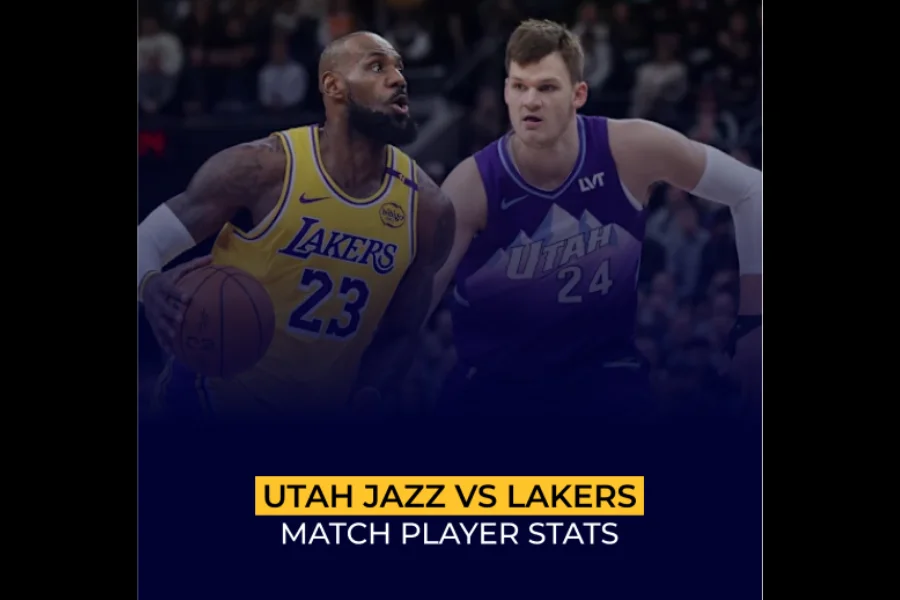
Utah Jazz vs Lakers Match Player Stats: Full Game Breakdown
Utah jazz vs lakers match player stats: The Utah Jazz and Los Angeles Lakers faced off in February 2025, and the two games delivered everything a basketball fan could hope for. If you were watching, you saw moments of sheer brilliance, surprising twists, and a few lessons in teamwork and strategy. These weren’t just ordinary matchups—both teams had something to prove. The Lakers were riding a winning streak and had just welcomed Luka Dončić back from injury, while the Jazz were determined to defend their home court and stop L.A.’s momentum.
Game 1 showed the Lakers’ power and precision. They started fast, moved the ball smoothly, and hit shots from all over the court. Utah tried to keep pace, but turnovers and missed chances made it tough. Game 2 flipped the story. The Jazz came out aggressive in Salt Lake City, dominating the third quarter and using strong defense and bench energy to take control. Stars like Lauri Markkanen shined, but the unsung heroes from the bench often made the biggest difference.
In this article, you’ll get the full breakdown: who scored, who defended, how momentum shifted, and what stats reveal about both teams. By the end, you’ll understand not just the results, but why each game unfolded the way it did—and what it teaches about winning basketball.
Game 1 Recap – Lakers 132, Jazz 113
Key Moments and Flow of the Game
The Lakers started fast at Crypto.com Arena and never let up. From the opening tip-off, they played with energy and precision, jumping to a 37–25 lead after the first quarter. Utah struggled to find rhythm, missing several open shots and giving the ball away too often. Each turnover became a fast-break opportunity for L.A., keeping the Jazz constantly on the defensive. The Lakers moved the ball well, finding open shooters and cutting to the basket with purpose. Their pace was relentless, forcing Utah to scramble and make rushed decisions.
Luka Dončić returned from a calf injury and made his Lakers debut. He played 24 minutes and contributed 14 points, 5 rebounds, and 4 assists. While he looked comfortable at times, a few turnovers showed he still needed time to settle into the team’s rhythm. The Lakers’ bench, led by Jordan Goodwin, played a crucial role, adding points and energy that helped maintain the lead. By halftime, L.A.’s shooting efficiency hovered around 60%, leaving Utah behind despite their efforts to regroup. In the end, the Lakers controlled the game’s tempo and never let the Jazz get close.
Top Performers and Stats Table
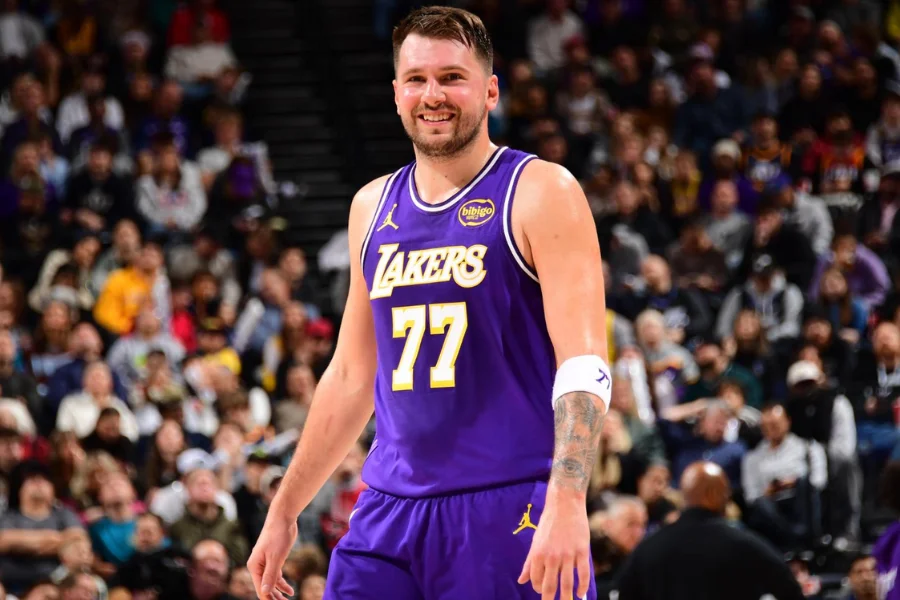
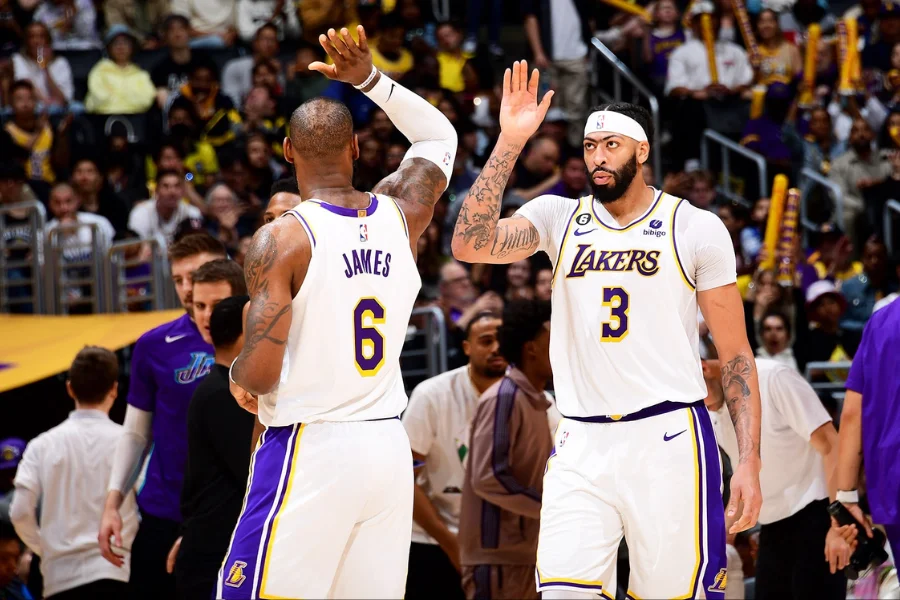
The stats tell the story of why the Lakers pulled ahead. LeBron James led the way with 24 points, 7 rebounds, and 8 assists, showing why he’s still one of the game’s best all-around players. Austin Reaves added 22 points and 9 rebounds, hitting three key three-pointers that stretched Utah’s defense. Rui Hachimura was efficient, scoring 21 points on 57% shooting. Luka Dončić contributed 14 points and 4 assists, a solid debut but with room to grow.
On Utah’s side, John Collins and Lauri Markkanen combined for 17 points and 11 rebounds, showing effort in the frontcourt. Walker Kessler added a double-double with 13 points and 12 rebounds, anchoring the paint. Despite their efforts, Utah couldn’t match L.A.’s shooting or bench contributions. The Lakers spread scoring across multiple players, making it harder for Utah to focus on stopping just one star.
What Made the Lakers Win
Several factors explain why the Lakers came out on top. First, early dominance was key. They controlled the first quarter and never gave Utah a chance to catch up. Second, shooting efficiency made a huge difference. The Lakers hit a high percentage of shots, especially from beyond the arc, which stretched Utah’s defense and opened lanes for drives. Third, turnovers tilted the game. Utah gave the ball away 19 times, and the Lakers converted many of those mistakes into easy points.
Bench contributions were another major factor. Players like Jordan Goodwin added energy, hustled for rebounds, and hit timely shots. These contributions allowed the starters to rest without losing momentum. The game shows that in basketball, star talent is important, but depth and timing can be just as crucial. Teams that maintain energy, move the ball efficiently, and limit mistakes often come out on top.
Game 2 Recap – Jazz 131, Lakers 119

Key Moments and Flow of the Game
Two days after Game 1, the Jazz hosted the Lakers in Salt Lake City, and the energy was intense from the start. Utah came out aggressive, knowing they needed a win to even the series. The first half was tight, with both teams trading baskets and neither able to build a significant lead. But in the third quarter, everything changed. Utah went on a crushing 22–2 run, flipping the game entirely. Every player contributed, whether it was hitting open shots, crashing the boards, or hustling on defense. Walker Kessler was a force inside, blocking five shots before halftime and intimidating Lakers drivers in the paint. Lauri Markkanen went on fire, scoring 32 points, while keeping defenders on their toes with smart movement and quick passes.
Even the bench made a huge impact. Jordan Clarkson and Keyonte George added points, rebounds, and assists at crucial moments, fueling Utah’s momentum. The Lakers tried to respond, but their field goal percentage fell to 44.6%, and turnovers piled up. Utah’s defensive intensity and inside scoring gave them control. By the final buzzer, the Jazz had built a comfortable lead, leaving the Lakers struggling to catch up.
Top Performers and Stats Table
The stats show why Utah pulled off a big win in Game 2. Lauri Markkanen led the Jazz with 32 points, hitting six three-pointers and creating space for teammates. Walker Kessler had 16 points and 8 rebounds, anchoring the defense and protecting the rim. Jordan Clarkson and Keyonte George added 21 and 20 points respectively, with George recording his first NBA double-double (10 assists). The Jazz bench outperformed the Lakers’ reserves, giving starters rest while keeping scoring and energy high.
For the Lakers, Rui Hachimura scored 19 points on 60% shooting, and LeBron James added 18 points and 7 assists. Luka Dončić struggled a bit, scoring 16 points with 5 turnovers. The drop in Lakers’ shooting efficiency compared to Game 1 was noticeable, and Utah’s defense exploited it. Overall, the Jazz combined inside presence, shooting accuracy, and bench energy, which made the difference.
How the Jazz Turned the Game Around
Utah’s turnaround came down to defense, timing, and smart rotations. Kessler’s rim protection limited easy Lakers baskets, forcing them into tougher shots. The Jazz exploited mismatches in the paint and used spacing to open up their shooters. The 22–2 third-quarter run wasn’t a fluke—it reflected effort, coordination, and trust in teammates. Each pass, cut, and rebound contributed to the surge.
Bench contributions also fueled momentum. While the Lakers’ reserves struggled to make an impact, Utah’s bench kept the energy high and gave starters room to stay effective. Markkanen’s scoring bursts demanded attention, opening lanes for Clarkson, George, and others. On defense, the Jazz disrupted passing lanes and contested shots without overcommitting, a mix of smart positioning and timing. That combination of offense, defense, and bench energy made the difference, showing how teamwork can quickly shift a game’s outcome.
Head-to-Head Player Stats Comparison
Looking at both games together, some clear patterns emerge between the Jazz and Lakers. LeBron James stayed steady for the Lakers, scoring 24 points in Game 1 and 18 in Game 2, showing he can consistently deliver even when teammates struggle. Luka Dončić had a promising debut in Game 1 with 14 points, but turnovers in Game 2 held him back, showing he’s still finding his rhythm with L.A. Utah’s stars showed bigger swings. Lauri Markkanen went from 17 points in Game 1 to a scorching 32 in Game 2, proving how one player can change the momentum of a game. Walker Kessler consistently protected the paint and grabbed rebounds, giving Utah a clear advantage inside.
Beyond scoring, rebounds and assists tell an even deeper story. Utah dominated the boards in both games, especially through Kessler and Collins, creating more second-chance opportunities. Bench players also had a bigger impact for the Jazz. Jordan Clarkson and Keyonte George contributed points and assists at crucial moments, while L.A.’s bench struggled to keep pace. The takeaway is clear: basketball isn’t just about points—rebounds, assists, and bench contributions often determine who wins.
Team Stats and Trends
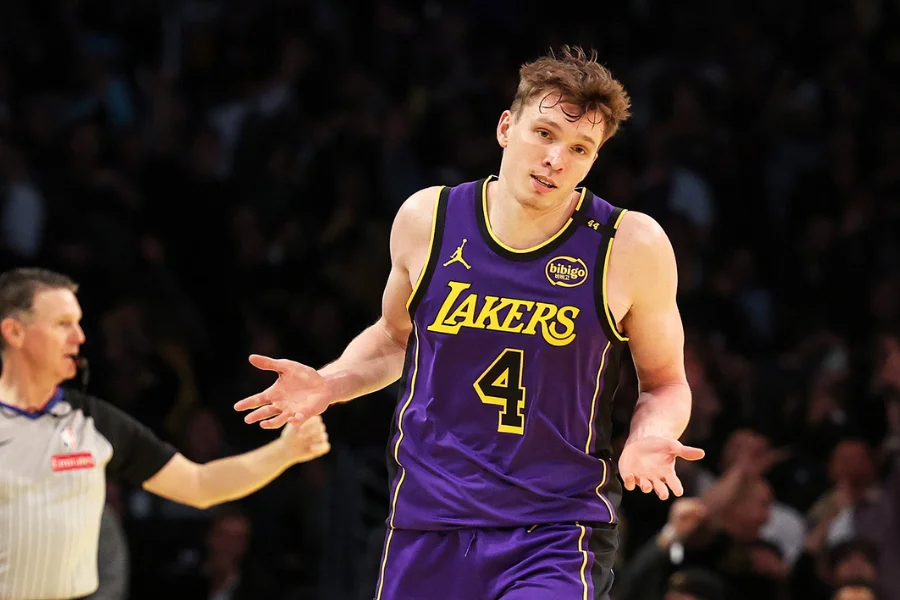
The numbers from both games highlight the key differences between the two teams. In Game 1, the Lakers’ shooting efficiency stood out, hitting 62.5% from the floor and 74% from free throws. Utah struggled with turnovers, giving up 19 extra possessions, which allowed L.A. to turn mistakes into easy points. In Game 2, the story flipped. Utah improved its field-goal percentage to 52.3% and maintained solid free-throw shooting at 56.7%. They controlled the paint and grabbed more rebounds, which helped them dominate second-chance points. Meanwhile, the Lakers’ shooting dipped to 44.6%, and turnovers increased, making it harder to keep up.
Three stats clearly influenced both games: shooting efficiency, rebounds, and turnovers. Teams that hit shots, control the boards, and take care of the ball tend to set the tone. The Jazz demonstrated this in Game 2 with strong interior play and bench scoring. L.A.’s efficiency in Game 1 and struggles in Game 2 show how small changes can swing outcomes dramatically. Fans watching these two games could see that stats aren’t just numbers—they reflect the story of the game in real time.
Momentum Shifts and Game Analysis
In basketball, momentum often decides who wins. Game 1 is a perfect example—the Lakers came out fast and aggressive, building a big lead in the first quarter. That early surge set the tone, forcing Utah to play catch-up for the rest of the game. Game 2 showed how quickly things can flip. The Jazz dominated the third quarter with a 22–2 run, turning a close match into a commanding lead. Small swings, like bench players scoring or key defensive plays, can have a massive effect. Jordan Clarkson and Keyonte George’s contributions off the bench fueled Utah’s momentum, while L.A.’s reserves struggled to respond.
Defensive plays also played a major role. Blocks, steals, and contested shots created fast-break opportunities, giving teams easy points and boosting confidence. Offensively, smart spacing, crisp passing, and cutting without the ball opened lanes and created high-percentage shots. Watching the games quarter by quarter makes this clear: a single strong period or defensive stand can decide the outcome, showing that basketball is about consistency and timely bursts of energy, not just talent.
What the Games Reveal About Each Team
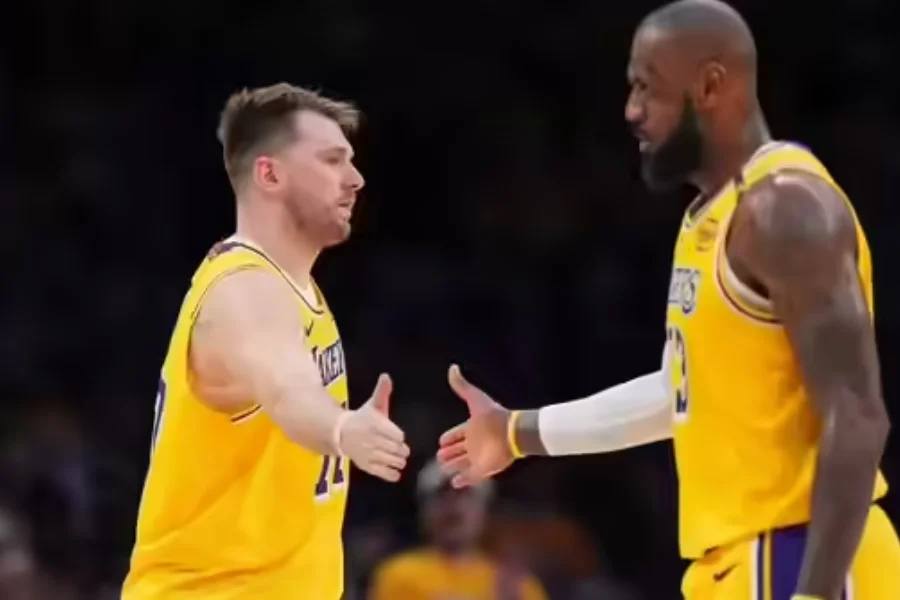
These two games highlight each team’s strengths and weaknesses. The Lakers show star power, shooting range, and depth. Players like LeBron James, Austin Reaves, and Rui Hachimura can carry scoring and maintain efficiency. However, weaknesses emerged. The Lakers’ paint defense was vulnerable, especially in Game 2, and integrating Luka Dončić smoothly into their system remains a work in progress. Turnovers and inconsistent bench contributions also hurt them when games tightened.
For the Jazz, the games showcased their homecourt energy, strong interior play, and depth. Walker Kessler and Lauri Markkanen dominate inside, while Jordan Clarkson and Keyonte George provide scoring and playmaking off the bench. Utah’s defensive timing and ability to force turnovers gave them an edge, especially in Game 2. Yet, consistency is still key—they need to maintain focus throughout all four quarters and limit missed opportunities in early stretches.
Both teams walked away with lessons. The Lakers know where to tighten rotations and defense, while Utah learned that momentum and bench energy can make the difference. These games show fans what to expect from each team in future matchups.
Final Words
The Utah Jazz and Los Angeles Lakers faced off in February 2025, delivering two thrilling games. Game 1 saw the Lakers dominate from the start, jumping to a 37–25 lead after the first quarter. LeBron James led with 24 points, while Austin Reaves and Rui Hachimura added efficient scoring. Luka Dončić returned from injury, showing promise but still adjusting. Utah struggled with turnovers and missed shots, and L.A.’s bench energy helped maintain control.
Game 2 flipped the story. The Jazz exploded in the third quarter with a 22–2 run, fueled by Lauri Markkanen’s 32 points and Walker Kessler’s defense. Bench stars Jordan Clarkson and Keyonte George added key contributions. The Lakers’ shooting efficiency dropped, and turnovers piled up.
Across both games, rebounds, assists, and bench performance proved just as important as points. The Lakers showed star power but needed better paint defense and Dončić integration. Utah’s homecourt energy, depth, and interior play made the difference. Momentum and teamwork ultimately shaped the results.
Get More Information On Arcadia Movers.