Step-by-Step Guide for Aadhar Card Download Online in 2026
Your Aadhaar card is more than just a piece of paper—it’s your key to almost every official service in India. From opening a bank account and filing taxes to getting a mobile SIM or applying for government schemes, having your Aadhaar ready saves time and hassle. But what happens if you’ve misplaced your card or never received the physical copy? That’s where e-Aadhaar comes in. It’s the digital version of your Aadhaar, officially issued by UIDAI, and just as valid as the printed card. You can download it as a PDF, store it on your phone or computer, and even print it whenever you need.
In this guide, we’ll show you exactly how to download your Aadhaar card safely and easily. We’ll cover all official methods—from the My Aadhaar portal to apps like DigiLocker, mAadhaar, and UMANG. You’ll also learn how to print it, retrieve your Aadhaar number if you forget it, and handle OTP issues.
What is an Aadhaar Card and Why You Need It
Aadhaar is a 12-digit unique identification number issued to every Indian resident by the Unique Identification Authority of India (UIDAI). Think of it as a universal ID you can use for almost everything in daily life. Whether you’re opening a bank account, applying for government schemes, or getting a new mobile SIM, Aadhaar is often required to prove your identity quickly and reliably. Unlike older ID cards, Aadhaar is linked with your biometric information, which makes it harder to fake or misuse. Over the years, it has become an essential document that nearly every Indian citizen needs to carry or store digitally.
Having your Aadhaar ready saves time. For example, when you apply for a passport or open a bank account, submitting your Aadhaar reduces the number of other documents you need. Even small tasks like setting up an electricity connection or booking train tickets online often ask for Aadhaar details. In short, Aadhaar isn’t just a card; it’s your key to accessing many everyday services safely and legally.
Key Details on Your Aadhaar Card (Name, DOB, Gender, Address)
Your Aadhaar card contains all the essential personal information about you in one place. This includes your full name, date of birth, gender, and address. On top of that, it stores biometric data like fingerprints and iris scans. These details make Aadhaar more reliable than just a photo ID because your identity is verified not only on paper but also through your unique biometric traits. This helps prevent fraud and duplication.
In practical terms, banks and government offices use Aadhaar to verify your identity instantly. For example, when you open a bank account, the staff can scan your fingerprints or use your Aadhaar number to confirm your identity instead of cross-checking multiple documents. Similarly, it speeds up processes like applying for a passport or linking your Aadhaar to your PAN card.
Uses of Aadhaar (ID, Address Proof, Banking, SIM, Government Services)
Aadhaar isn’t just a number; it’s a tool you’ll use in everyday life. You can use it as an ID proof for school or college admissions, job applications, and even signing legal documents. It also serves as address proof for passports, driver’s licenses, or setting up utilities like electricity and water. Banks often ask for Aadhaar to open accounts, complete KYC, or allow online payments. Government services like pensions, subsidies, and tax benefits also rely on Aadhaar verification.
Even simple tasks, like buying a new mobile SIM or linking your PAN for tax purposes, require Aadhaar. Imagine moving to a new city—you can open a bank account or set up an internet connection quickly by just submitting your Aadhaar, instead of gathering multiple documents like ration cards or voter ID. It essentially simplifies many daily processes and saves a lot of time.
e-Aadhaar: The Digital Version
e-Aadhaar is the digital version of your Aadhaar card, issued by UIDAI. It comes as a PDF file that you can store on your phone, computer, or tablet. Just like the physical card, it is legally valid for all official purposes. The PDF is password-protected, which means only you can open it. The password is simple: the first four letters of your name in capital letters, followed by your birth year (YYYY). Even if someone gets hold of the file, they cannot access your details without this password.
In real life, e-Aadhaar is convenient because you can carry it anywhere without worrying about losing a physical card. For instance, if you need to submit Aadhaar details at a bank or government office, you can simply show the PDF on your phone. It is also useful if you need to print multiple copies—you can print at home, a local shop, or use PVC Aadhaar printing services. With e-Aadhaar, your identification is always accessible, safe, and legally recognized.
Things You Need Before Downloading Your Aadhaar
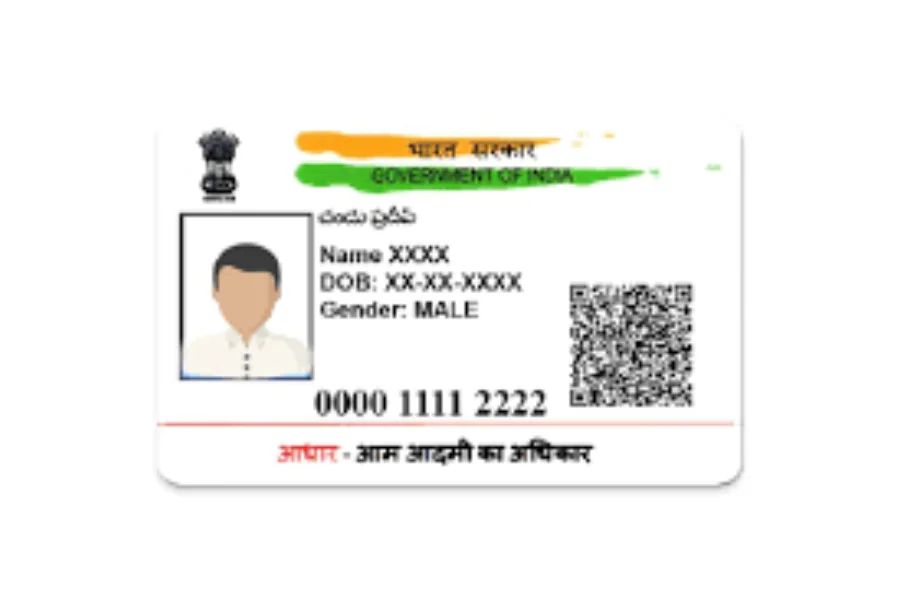
Before you start downloading your Aadhaar, it’s important to gather a few essentials. Doing this upfront saves you time and avoids frustration, especially when dealing with OTPs or verifying your identity online. The process is simple, but missing even one piece of information can block the download. Whether you plan to use the My Aadhaar portal, mAadhaar, DigiLocker, or UMANG, having everything ready ensures the process is smooth and fast. Think of it like packing before a trip—you don’t want to realize you forgot your wallet halfway there.
Registered Mobile Number for OTP Verification
Your mobile number must be linked to your Aadhaar card before downloading the e-Aadhaar. UIDAI uses this number to send a one-time password (OTP) to verify your identity. Without a registered mobile number, you cannot access the online Aadhaar download services. This is a common reason people face delays. In real life, many users try to download Aadhaar only to realize their number hasn’t been updated, which forces them to visit an Aadhaar centre in person.
If your number has changed or isn’t registered, you’ll need to update it at the nearest Aadhaar enrolment centre. Once linked, the OTP system works like a security lock, ensuring that only you can access your Aadhaar.
Aadhaar Number, Enrollment ID, or Virtual ID
To download your Aadhaar, you must have one of three identifiers ready. You can use your 12-digit Aadhaar number, the 14-digit Enrollment ID (EID), or your 16-digit Virtual ID (VID). Each of these acts as a key to access your e-Aadhaar securely. Depending on what you have available, you can use any of these options on official portals or apps.
For example, if you don’t remember your Aadhaar number but have your enrollment slip, you can use the EID to download the card. Similarly, VID is another safe way to access Aadhaar without exposing your full number, which is useful for privacy. Having one of these ready ensures you don’t waste time figuring out which identifier to use.
PDF Password Format
Every e-Aadhaar you download is a password-protected PDF. This password keeps your personal details safe and ensures only you can open the file. The password is simple to create: take the first four letters of your name (as written on Aadhaar) in capital letters, followed by your year of birth in YYYY format. For example, if your name is Raj Kumar and you were born in 1996, the password would be RAJK1996.
This system makes opening your e-Aadhaar quick and easy, while still keeping your information secure. Even if someone gets access to your PDF, they cannot open it without the correct password. In practice, knowing this format in advance saves you the hassle of guessing passwords or resetting files. It’s a small step that guarantees security without slowing you down.
Download Aadhaar from UIDAI’s My Aadhaar Portal
The My Aadhaar Portal, run by UIDAI, is the safest and most official way to download your Aadhaar. Using the official portal ensures that the e-Aadhaar you download is genuine, digitally signed, and legally valid. You don’t need to visit an Aadhaar centre for this, as long as your mobile number is linked to your Aadhaar for OTP verification. Many people prefer this method because it’s fast, secure, and available 24/7 from any computer or smartphone with internet access.
Downloading your Aadhaar from the portal is straightforward once you know the steps. The process only takes a few minutes if you have all your details ready, such as your Aadhaar number, Enrollment ID, or Virtual ID. By following these steps carefully, you avoid mistakes that can delay your download or make the OTP verification fail.
Step-by-Step Instructions
To download your Aadhaar, start by opening your web browser and visiting the My Aadhaar Portal at UIDAI’s official website. On the homepage, click the “Download Aadhaar” option under the ‘Get Aadhaar’ section. You’ll then be asked to enter either your 12-digit Aadhaar number, 14-digit Enrollment ID, or 16-digit Virtual ID, depending on which one you have handy.
Next, type the captcha code exactly as it appears to prove you’re not a bot. Click “Send OTP” to receive a one-time password on your registered mobile number, and enter it when prompted. Once the OTP is verified, click “Verify and Download.” Your e-Aadhaar PDF will automatically download to your device. You can open it using the password made from the first four letters of your name in capital letters, followed by your birth year.
In real life, this method is convenient because you can do it anytime, whether you’re at home, at work, or traveling. You don’t need to wait in long queues or visit an Aadhaar centre.
How to Download Masked Aadhaar
If you want extra privacy, you can choose to download a masked Aadhaar. This version hides the first eight digits of your Aadhaar number and shows only the last four. It’s ideal if you need to submit Aadhaar for verification but don’t want to reveal your full number, such as when applying for online services or sharing it with unknown parties.
The process is almost identical to downloading a regular e-Aadhaar. While entering your details on the portal, simply check the box that says “Do you want a masked Aadhaar?” before sending the OTP. Once verified, your masked e-Aadhaar PDF will download automatically. This file is also password-protected and legally valid, so it can be used anywhere the regular Aadhaar is accepted.
Using masked Aadhaar is a simple way to protect your personal information while still completing official tasks. Many people prefer it for online applications or situations where identity verification is required but full exposure of the Aadhaar number isn’t necessary.
Download Aadhaar Using Other Official Methods
While the My Aadhaar Portal is the official online method, there are other ways to download your Aadhaar that are equally safe and convenient. Government-backed apps like DigiLocker, mAadhaar, and UMANG make it easy to store, access, and download your Aadhaar anytime on your smartphone or tablet. These apps are especially helpful if you prefer a digital copy without relying on a computer or if you want your Aadhaar readily available on the go.
Each app has its own unique features. DigiLocker acts like a cloud vault for official documents. The mAadhaar app is designed specifically for Aadhaar services, allowing you to carry your e-Aadhaar anywhere. UMANG combines multiple government services in one place, including Aadhaar downloads. Using these apps ensures you always have quick, secure access to your Aadhaar without visiting an Aadhaar centre.
DigiLocker App
DigiLocker is a government-created cloud storage app that safely stores official documents, including Aadhaar. It allows you to download your e-Aadhaar anytime without printing it, making it convenient for travel or online verifications. First, you need to create an account or log in using your mobile number. Once inside, search for “Aadhaar Card” in the search bar. Select the Aadhaar option and enter your 12-digit Aadhaar number along with the OTP sent to your registered mobile number.
After verification, your e-Aadhaar appears under the “Issued Documents” tab. You can download the PDF or share it securely with banks, government offices, or other services that accept e-Aadhaar. The PDF is password-protected just like the one from the UIDAI portal, so your information stays private even if someone accesses your account. In real life, DigiLocker works like having a safe, digital cabinet for all your important IDs, including Aadhaar, driving license, and certificates.
mAadhaar App
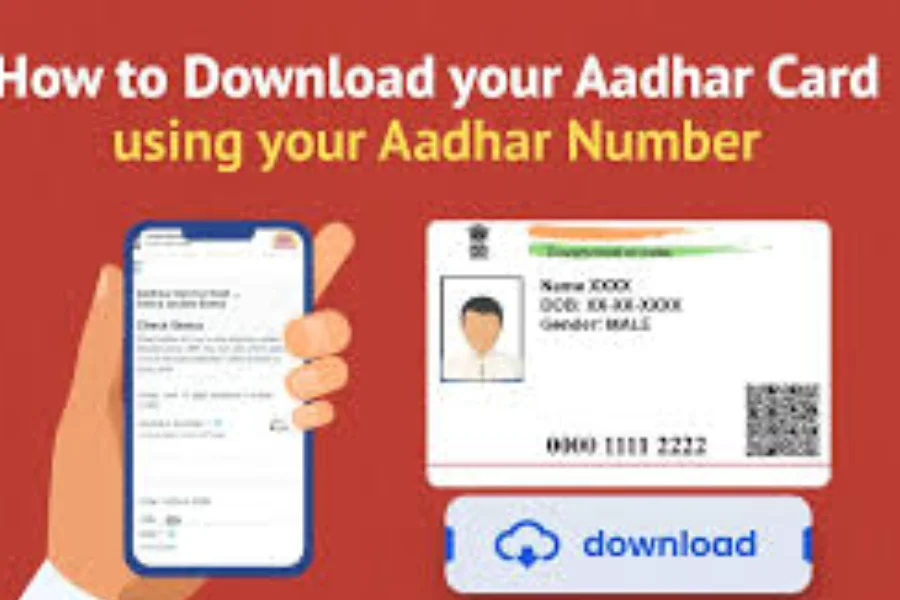
The mAadhaar app is designed specifically for Aadhaar users. It allows you to download, view, and carry your Aadhaar directly on your smartphone. To use it, install the official app from the Play Store or App Store, then register using your mobile number linked to Aadhaar. Once registered, you can choose to download either a Regular Aadhaar or a Masked Aadhaar.
Next, you select the method to download: Aadhaar number, Enrollment ID, or Virtual ID. After entering the relevant details and typing the captcha, you receive an OTP on your mobile. Enter it, and your e-Aadhaar PDF is ready to open. The app also allows you to update details, check status, and access other Aadhaar-related services. In practice, the mAadhaar app is perfect if you travel frequently or want to avoid carrying a physical Aadhaar card.
UMANG App
UMANG (Unified Mobile Application for New-age Governance) is a multi-service government app that includes Aadhaar services. It’s useful if you already use it for other government tasks like paying bills, filing taxes, or checking pensions. To download Aadhaar, open the app, log in using your registered mobile number, and navigate to “My Aadhaar” under All Services.
Click “Download Aadhaar”, and provide your 12-digit Aadhaar number or Virtual ID. Enter the OTP to verify, and your e-Aadhaar PDF will be available for download. This method combines convenience with security, as UMANG is linked directly to UIDAI and other government systems. Many users find it helpful to manage multiple services in one app while still being able to access their Aadhaar anytime.
Download Aadhaar Without a Registered Mobile Number
Even if your mobile number isn’t linked to your Aadhaar, you can still get a copy. While online downloads require OTP verification, UIDAI allows you to collect a physical Aadhaar card directly from an Aadhaar centre. This ensures that everyone has access to their Aadhaar, even those who don’t use mobile phones or have changed their numbers. Visiting a centre is straightforward, and staff guide you through every step. It may take a little more time than downloading online, but it’s reliable and guarantees you leave with a valid card in hand.
In practice, this method is often used by elderly citizens, people living in rural areas, or anyone who hasn’t updated their mobile number with UIDAI. You’ll need a few documents ready and a bit of patience while the staff verify your identity using biometrics. Once the verification is complete, they print a physical Aadhaar card for you. This card has the same legal validity as an online e-Aadhaar.
Visiting the Nearest Aadhaar Centre
To get your Aadhaar offline, start by visiting the nearest Aadhaar enrolment centre or Aadhaar Seva Kendra. Bring your Aadhaar number or enrolment ID along with a government-issued identity proof, such as PAN, passport, or any other recognized ID. At the centre, staff will verify your identity using biometric data like fingerprints or iris scans. This process ensures that the person collecting the card is the rightful Aadhaar holder.
Once your details are verified, the staff will print a physical copy of your Aadhaar immediately. In real life, the visit usually takes less than 30 minutes, but it can vary depending on the centre’s crowd. Even though this method requires visiting in person, it’s very straightforward and ensures that your Aadhaar reaches you safely. Some centres may also provide guidance if you want a PVC version of the card, which is more durable than a paper printout.
Fees for Physical Print and PVC Aadhaar
Getting a physical copy of your Aadhaar at the centre comes at a small fee. A regular printout on an A4 sheet costs ₹30, including GST. If you want a more durable version, the PVC Aadhaar card costs ₹50. The payment is made at the centre, usually by cash or digital methods depending on the facility.
The PVC card is designed to last longer and resist wear and tear, making it ideal for carrying in wallets or purses. Many people choose it for convenience and durability. Whether you pick a paper printout or PVC card, both are officially recognized and legally valid for all purposes, including identity verification, bank accounts, and government services. In real life, paying this small fee is a minor effort compared to the peace of mind of having your Aadhaar safely in hand.
Retrieve Your Aadhaar Number or Enrollment ID
Forgetting your Aadhaar number is more common than you might think, and it’s not a problem. UIDAI provides easy ways to retrieve your Aadhaar number or enrollment ID online using simple details like your name, date of birth, mobile number, or email. This is especially useful if you want to download your e-Aadhaar but can’t remember your 12-digit number or the 14-digit enrolment ID from when you first registered.
The retrieval process is designed to be quick, secure, and user-friendly. It ensures that only the person whose details match the UIDAI records can access the Aadhaar number or enrolment ID. Even if you are not very tech-savvy, the step-by-step instructions make it easy to follow. In real life, this service saves a lot of time and hassle—you don’t have to visit a centre just to remember your Aadhaar number.
Using Name and Date of Birth
One way to retrieve your Aadhaar number is by entering your full name and date of birth on UIDAI’s official retrieval page. Start by visiting the UIDAI website’s “Retrieve EID/UID” section. Enter your full name exactly as it appears on your Aadhaar, and add your date of birth. Then provide either your registered mobile number or email address. UIDAI uses this information to verify your identity.
After entering the required details, click “Send OTP”. An OTP is sent to your mobile or email, which you enter on the website to confirm your identity. Once verified, your Aadhaar number or enrollment ID is sent directly to your registered contact. In practical terms, this means you can start your e-Aadhaar download immediately without needing to remember the number. This method is secure, as only the person with access to the registered mobile or email can retrieve the details.
Using Mobile or Email for OTP
You can also retrieve your Aadhaar enrollment ID or number using your registered mobile number or email alone. On UIDAI’s retrieval page, you enter your contact details along with your name and DOB, then request an OTP. The OTP ensures that only you can access the information.
This method is particularly helpful if you frequently switch devices or don’t have your Aadhaar card with you. It’s secure because the OTP is sent only to the contact linked with your Aadhaar, and it expires quickly to prevent misuse. In real-life scenarios, this is the fastest way to get your details before downloading your e-Aadhaar PDF. Whether at home or on the go, you can retrieve your Aadhaar information in a few minutes.
How to Print Your Aadhaar Card PDF
After downloading your e-Aadhaar, you may need a physical copy for various purposes. Printing your Aadhaar is simple but requires a few careful steps. First, open the downloaded PDF using any standard PDF reader, like Adobe Acrobat or even your browser’s PDF viewer. The file is password-protected for security. To unlock it, enter the 8-character password: the first four letters of your name (as written on Aadhaar) in uppercase, followed by your year of birth. For example, if your name is Priya Sharma and you were born in 1995, the password will be “PRIY1995.” This step ensures that even if someone gets access to your PDF, they cannot open it without your password.
Once the file is open, you can print it on a standard A4 sheet at home. Many people also prefer to use official CSC Aadhaar printing services, where you can get a clean, high-quality print. These centres also provide PVC Aadhaar cards, which are durable, waterproof, and convenient to carry. Whether you print at home or through CSC services, both options are legally valid and accepted everywhere.
Opening the Password-Protected PDF
The e-Aadhaar PDF is secured for your protection. Before printing, you must unlock it using the password. This password combines the first four letters of your name (uppercase) and your birth year in YYYY format. For example, someone named Rohan Mehta born in 1990 will have the password “ROHA1990.” This system ensures that only the Aadhaar holder can open the file.
In real life, people often try to guess or ignore the password, which can cause frustration. The key is to remember how your name appears on the Aadhaar card, including any middle names or initials. Once unlocked, you can view all your Aadhaar details, verify them, and print without issues. If the file doesn’t open, double-check spelling, case, and birth year format before attempting again.
Printing From PDF or CSC Aadhaar Services
Once the PDF is open, you have two main printing options. First, you can print from home using standard A4 sheets. This is quick and convenient, especially if you need the Aadhaar immediately. Ensure your printer is working well, and the PDF is set to proper size for clarity.
The second option is to use a CSC Aadhaar printing service. These centres produce high-quality prints and offer PVC Aadhaar cards, which are more durable, waterproof, and wallet-friendly. Many people prefer this method for long-term use. Both options are legally valid and accepted by banks, government offices, and other services. The choice depends on convenience and whether you want a longer-lasting PVC card.
Final Words
Your Aadhaar card isn’t just a piece of paper—it’s your key to almost every official service in India. From opening a bank account and filing taxes to getting a mobile SIM or applying for government schemes, Aadhaar makes life easier. But what if you’ve lost your card or never received the physical copy? That’s where e-Aadhaar comes in. It’s the digital version of your Aadhaar, issued by UIDAI, fully legal, and safe to store on your phone, computer, or tablet. You can download it as a PDF, protect it with a simple password, and print it whenever needed.
In this guide, you’ll learn how to download Aadhaar through the official My Aadhaar portal, as well as apps like DigiLocker, mAadhaar, and UMANG. We’ll also cover retrieving your Aadhaar number, handling OTP issues, printing at home or via CSC services, and choosing between regular and masked Aadhaar. With this guide, your Aadhaar will always be accessible and secure.
Get More Information On Arcadia Movers.