The Ultimate Guide to Ceıvır: Taste, Tradition, and Modern Twists
Have you ever come across the word “Ceıvır” and wondered what it means? At first glance, it might seem unusual or even like a typo. But Ceıvır is a word with depth, culture, and flavor. Its origins trace back to Turkish, where the word “çevir” literally means “to turn,” “flip,” or “transform.” In everyday life, Turks use it in simple ways, like flipping a page in a book, turning a key in a lock, or flipping food in a pan. While it might seem like a small, ordinary action, the word carries a sense of movement and transformation, a quality that has made it popular in modern contexts beyond just everyday tasks.
Over time, Ceıvır has evolved in digital culture. Today, online creators and social media users often use it to describe taking something familiar and giving it a creative twist. For example, someone might say, “I Ceıvır-ed this recipe,” meaning they improved it, made it their own, or added a personal touch. This modern use connects the traditional roots of the word with contemporary creativity. Ceıvır represents more than just change—it’s about adapting, remixing, and transforming everyday things into something new and exciting.
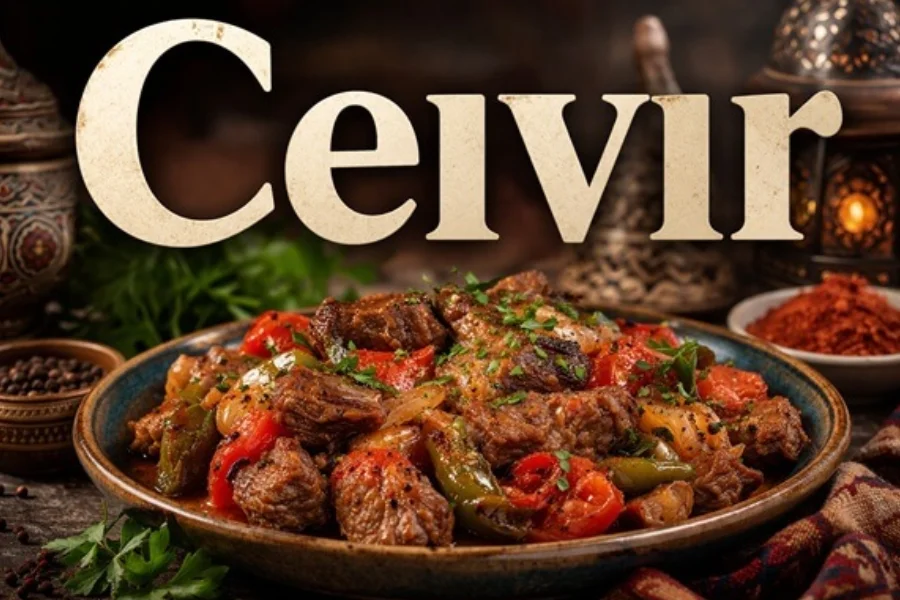
In Turkish cuisine, Ceıvır has also become the name of a beloved dish. Using simple ingredients like meat, vegetables, and grains, the dish transforms ordinary food into a rich, comforting meal. The preparation is careful and patient, allowing flavors to blend naturally. This makes it more than just food—it becomes a shared experience, connecting family, friends, and generations through taste.
What Ceıvır Means and Where It Comes From
The word Ceıvır has deep roots in Turkish daily life, and understanding it gives insight into both language and culture. “Çevir” is used in everyday situations, literally meaning to turn, flip, or transform something. It can describe physical actions, like turning a page, flipping food in a pan, or even changing the direction of a vehicle. These simple uses show that the word has always been connected to motion and change, a fundamental part of life. Its practical meaning makes it relatable and easy to grasp for anyone who speaks Turkish.
In the digital age, Ceıvır has taken on a more creative, modern significance. Online, it can mean remixing a photo, editing a video, or reworking an idea. It symbolizes taking something familiar and giving it a new form or perspective. Social media platforms have accelerated this trend, allowing the word to cross cultural and linguistic boundaries. People everywhere are discovering that Ceıvır can describe creativity, transformation, and adaptation in many areas of life—not just in the kitchen.
Speaking of the kitchen, Ceıvır also describes a culinary tradition that embodies this concept of transformation. The dish itself is simple, using meat, vegetables, and grains, but the cooking process elevates these basic ingredients into a rich, flavorful meal. The slow, careful preparation allows flavors to meld naturally, creating a comforting, satisfying dish. Families often pass down recipes, each adding a personal touch or slight variation. This blend of tradition and innovation reflects exactly what the word Ceıvır represents: change with respect for heritage.
By combining language, culture, and cuisine, Ceıvır becomes more than just a word or dish—it’s a bridge connecting the past with the present, home kitchens with online culture, and tradition with creativity.
Why Ceıvır Is Becoming Popular

Ceıvır is gaining attention all over the world, and it’s easy to see why. One major reason is that people today are searching for authentic, real food experiences. Many meals in modern life are processed, rushed, or overloaded with artificial flavors, but Ceıvır is simple, honest, and flavorful. You can taste each ingredient individually, yet they combine beautifully. The freshness and simplicity are part of its charm—no complicated sauces or hidden additives, just pure, satisfying taste.
Social media has played a huge role in spreading Ceıvır beyond Turkey. Food bloggers, Instagram creators, and YouTube chefs are sharing photos, videos, and step-by-step recipes that highlight the dish’s vibrant colors and rich textures. These posts make Ceıvır accessible even to people who have never been to Turkey. Its versatility adds to the appeal—home cooks can make it traditionally or experiment with new spices, grains, or vegetables. Chefs appreciate this flexibility too, creating innovative versions while staying true to the essence of the dish.
Another reason for its rise is that Ceıvır fits modern lifestyles. People want meals that are both healthy and satisfying, yet not overly complicated. With fresh ingredients, slow cooking, and careful seasoning, Ceıvır delivers on all counts. It also provides a connection to culture and tradition, giving meals more meaning. Eating Ceıvır is not just about satisfying hunger—it’s about savoring flavors, enjoying time with others, and appreciating the care that went into making it.
Key Ingredients in Ceıvır

At first glance, Ceıvır seems simple, but the magic comes from the ingredients and how they work together. Meat is often the base—lamb, beef, or chicken—providing protein, richness, and depth of flavor. These proteins absorb spices beautifully, making the dish aromatic and hearty. Vegetables like onions, peppers, tomatoes, and eggplant are equally important. They add freshness, texture, and natural sweetness, balancing the meat and grains.
Grains and legumes often play a supporting role. Bulgur, rice, or chickpeas make the dish filling while soaking up the flavorful juices from the meat and vegetables. Spices and herbs are the finishing touch. Paprika, cumin, parsley, and mint are commonly used, bringing warmth, brightness, and subtle complexity. Olive oil or animal fat rounds out the flavors, adding richness without overpowering the natural taste of the ingredients.
Here’s a quick look at the main ingredients and their roles:
| Ingredient Type | Examples | Purpose in Dish |
|---|---|---|
| Meat | Lamb, Beef, Chicken | Protein and flavor base |
| Vegetables | Onions, Peppers, Tomatoes, Eggplant | Freshness, texture, natural sweetness |
| Grains & Legumes | Rice, Bulgur, Chickpeas | Hearty, absorbs flavors |
| Spices & Herbs | Paprika, Cumin, Parsley, Mint | Adds aroma, warmth, and complexity |
| Oil/Fat | Olive oil, Animal fat | Richness without overpowering |
The beauty of Ceıvır is that it’s flexible. You can swap ingredients depending on what’s in season or what you have in your pantry. This adaptability makes it perfect for home cooks, while the core flavors remain intact. Even small changes—like swapping chicken for lamb or adding a new vegetable—can create subtle variations that keep the dish interesting.
How Ceıvır Is Made

Making Ceıvır is not difficult, but it requires care and attention. The process begins with cutting the meat into small, even pieces. Season it with salt, pepper, garlic, and paprika, then allow it to rest. This step ensures that the flavors penetrate and develop fully, which is key to the final taste.
Next, cook the aromatics—onions, garlic, and peppers—in olive oil until soft and fragrant. Then add the meat, letting it brown gently. Some recipes grill the meat for a smoky flavor, while others simmer it slowly with vegetables and grains. The key is medium heat and patience. Slow cooking allows the flavors to meld naturally and the meat to become tender without losing moisture.
Regional differences make Ceıvır even more interesting. In Eastern Anatolia, you might find lamb paired with chickpeas, while coastal regions favor fish and seafood. Modern cooks often experiment with plant-based proteins or different grains, creating exciting variations while preserving the dish’s traditional essence. The focus is always on balance: flavor, texture, and care in preparation. Ceıvır is never rushed—it’s about letting the ingredients shine.
Easy Ceıvır Recipes for Home Cooking
You don’t need a fancy kitchen to enjoy Ceıvır at home. One of the easiest ways to start is with Ceıvır pide, a soft flatbread topped with your favorite ingredients. The dough is simple—flour, water, yeast, and a pinch of salt. Once it rises, add toppings like cheese, minced meat, or vegetables, then bake until golden and fragrant. Even beginners can pull this off, and the aroma while it’s baking is half the fun!
Another approachable option is lentil Ceıvır soup. Cook lentils with chopped onions, carrots, garlic, and a touch of paprika over low heat until smooth. You’ll have a hearty, comforting dish that’s nourishing and quick to prepare. You can also experiment by adding grains like rice or bulgur, or tossing in greens for extra nutrition.
Here’s a little insider tip: Ceıvır is forgiving. If you slightly adjust spice levels or swap one vegetable for another, it won’t ruin the dish. The slow cooking process allows flavors to blend, so small tweaks often lead to delicious new versions. Fresh ingredients make the biggest difference, so always try to use seasonal vegetables and good-quality meat or legumes. Tasting as you go ensures the final dish suits your preferences perfectly.
Cooking Ceıvır at home is not just about feeding yourself—it’s about enjoying the process. Kneading dough, chopping vegetables, and stirring a simmering pot all become part of the joy. Sharing the meal afterward makes the experience even better.
Here’s a quick reference for your home cooking:
| Recipe | Ingredients | Cooking Time | Difficulty |
|---|---|---|---|
| Ceıvır Pide | Flour, Yeast, Water, Salt, Cheese, Meat/Vegetables | 30–40 mins | Easy |
| Lentil Ceıvır Soup | Lentils, Carrots, Onions, Paprika | 25–30 mins | Easy |
| Vegetable Ceıvır | Seasonal vegetables, Olive oil, Spices | 20–25 mins | Easy |
Health Benefits of Ceıvır

Ceıvır isn’t just delicious; it’s surprisingly good for you too. Lean meats like chicken, beef, or lamb provide protein, which builds and repairs muscles. Vegetables like peppers, onions, and tomatoes bring fiber, vitamins, and antioxidants that boost your immune system. Grains and legumes, such as rice, bulgur, or chickpeas, give slow-release energy that keeps you feeling full and active. Olive oil adds heart-healthy fats, while herbs and spices like cumin, paprika, and mint contribute antioxidants and flavor without extra calories.
Slow cooking plays a major role in Ceıvır’s health benefits. Unlike high-heat frying or processed foods, slow simmering preserves nutrients and keeps the ingredients’ natural goodness intact. The gentle process also reduces the need for extra oil or salt. Beyond physical health, Ceıvır encourages mindful eating. Sharing a meal with friends or family helps you slow down, chew properly, and enjoy each bite. This can improve digestion and even mood.
Eating Ceıvır can also inspire a more balanced diet. Because the dish combines protein, vegetables, and grains naturally, it teaches portion balance without being forced. And since it’s flavorful, you don’t need heavy sauces or extra seasoning to enjoy it. It’s the kind of meal that feeds both body and soul—a combination that’s rare in today’s fast-food culture.
Here’s a quick summary of Ceıvır’s health benefits:
| Component | Nutritional Benefit | Example |
|---|---|---|
| Lean Meat | Protein, muscle repair | Chicken, Lamb, Beef |
| Vegetables | Vitamins, Fiber, Antioxidants | Peppers, Onions, Tomatoes |
| Grains/Legumes | Slow-release energy | Rice, Bulgur, Chickpeas |
| Olive Oil | Heart-healthy fats | Extra virgin olive oil |
| Herbs & Spices | Antioxidants, flavor | Cumin, Paprika, Mint |
How to Enjoy Ceıvır
Ceıvır is meant to be shared, not rushed. Serve it on a large platter alongside flatbread, yogurt, and a simple salad. Pickled vegetables or olives add bright, tangy notes that contrast beautifully with the rich meat and grains. If you like, a glass of red wine or Turkish tea enhances the experience.
Eating Ceıvır is more than filling your stomach. It’s about gathering with family or friends, talking, laughing, and enjoying a meal together. Even small touches—like sprinkling fresh herbs on top or adding a squeeze of lemon—can make the dish visually appealing and fragrant. These little details elevate the meal from everyday eating to a memorable dining experience.
The beauty of Ceıvır lies in its communal nature. Everyone can help themselves, and the act of sharing makes the food taste even better. You can try different combinations on your plate, experience multiple textures, and savor the harmony of flavors. Over time, enjoying Ceıvır can also deepen your connection to Turkish culinary traditions, even if you’re cooking it in your own kitchen abroad.
The Future of Ceıvır
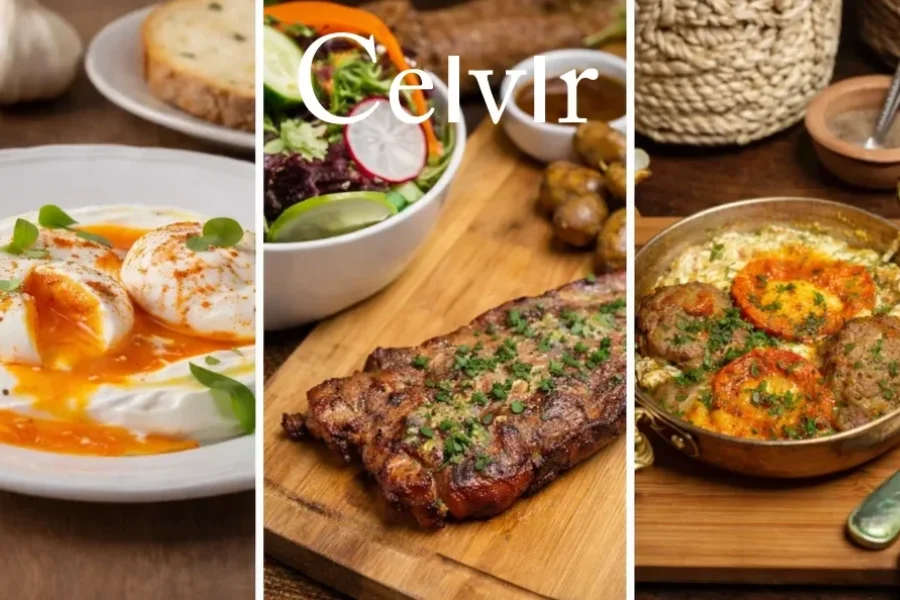
Ceıvır is no longer just a Turkish dish—it’s going global. Restaurants are introducing it to international menus, food bloggers and TikTok creators are showcasing it, and social media has made it more visible than ever. Its adaptability makes it appealing in every setting. You can stick to traditional recipes or experiment with modern twists, using new grains, vegetables, or plant-based proteins.
The word Ceıvır itself is taking on a broader meaning in digital culture. It represents transformation and creativity, appearing in discussions about design, tech, and cooking alike. This dual identity—both a dish and a concept—gives it a unique edge. People are drawn not only to the flavors but also to the idea of taking something familiar and turning it into something fresh and exciting.
Looking ahead, Ceıvır is poised to remain relevant because it combines history, taste, and modern innovation. It connects generations, preserves traditions, and invites experimentation. Whether you’re enjoying it at home, sharing it in a restaurant, or posting about it online, Ceıvır continues to inspire. Its story shows how a simple word and a humble dish can become a bridge between culture, flavor, and creativity.
Final Words
Ceıvır is a unique word and dish rooted in Turkish culture, where “çevir” means “to turn,” “flip,” or “transform.” In daily life, it describes simple actions, from turning pages to flipping food, but its meaning has evolved online to symbolize creativity and transformation. People now “Ceıvır” recipes, photos, or ideas, giving familiar things a fresh twist.
As a dish, Ceıvır transforms basic ingredients like meat, vegetables, and grains into a comforting, flavorful meal. Its slow cooking preserves nutrients, enhances taste, and allows flavors to meld naturally. The dish is flexible—chefs and home cooks can experiment with spices, grains, or vegetables while keeping its essence intact.
Beyond flavor, Ceıvır nourishes the body and soul, offering protein, fiber, vitamins, and healthy fats, while encouraging mindful, shared eating. With global popularity rising through social media and modern adaptations, Ceıvır bridges tradition, culture, and innovation, making it a beloved symbol of both Turkish heritage and contemporary creativity.
Come back to Arcadia Movers for fresh stories that actually matter to you.