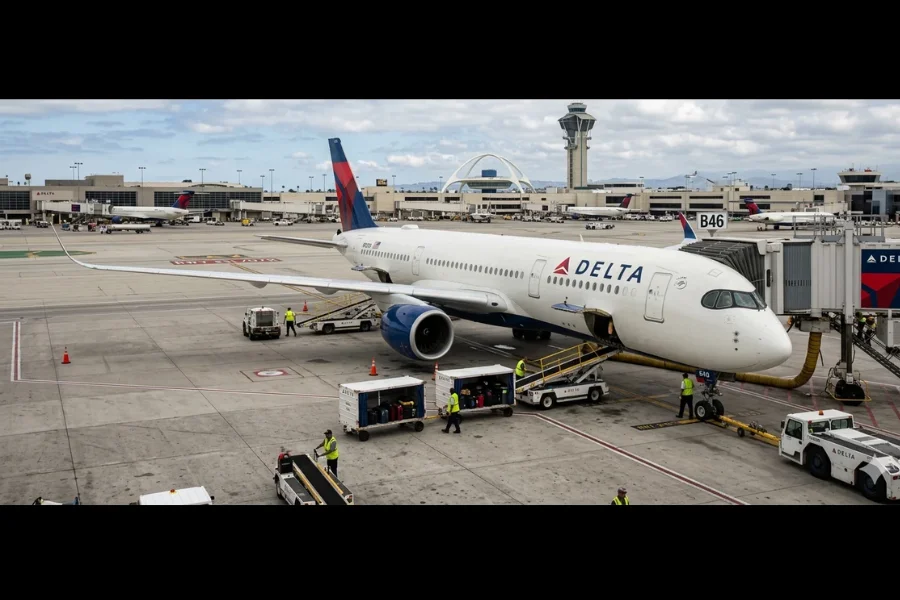
Delta Flight DL275 Diverted LAX: Inside the Pilot’s Decision
You wake up, check your phone, and see this: a flight changed course mid-air. That’s exactly what happened with Delta Flight DL275 diverted LAX. It sounds scary at first. But the real story is calmer than it seems.
Many people thought something serious went wrong. Social media made it feel urgent. Some posts hinted at danger. Others shared mixed details about the route. In reality, this was a safety decision, not a crisis. The aircraft stayed stable the whole time. Pilots saw a system issue early and chose a safer path. This kind of confusion is common. According to Search Engine Journal, unclear facts often increase attention. People fill gaps with guesses. That’s why simple, clear explanations matter.
Flying feels personal. You imagine yourself on that plane. So even a small change feels big. Most flights go as planned, so when one doesn’t, it stands out. News spreads fast, and questions follow. Here’s how it works in real life: imagine you’re on a bus and the driver suddenly changes route. You’d want to know why. Same idea here.
What Happened on Delta Flight DL275
Let’s break down the story of Delta Flight DL275 diverted LAX. There’s no need for panic. The situation was managed carefully, and passengers remained safe throughout. Understanding the sequence helps show why the diversion happened and why it was the safest choice. Flights like DL275 don’t encounter problems often, but when they do, procedures are followed precisely. Knowing the details can help you feel more confident about air travel.
Flight route, aircraft, and journey details
Delta Flight DL275 was a long-haul flight, scheduled to cross the North Pacific. The plane was an Airbus A350, one of the most advanced passenger aircraft today. It’s designed for long distances, efficiency, and safety. Flights over oceans are carefully planned because there are fewer nearby airports to divert to if an issue arises. Every system on board becomes crucial, from engines to navigation and communications.
The A350 is built with multiple backup systems. This means if one system shows a problem, others continue operating normally. Pilots and ground teams constantly monitor these systems, even during routine flights. In real life, it’s like driving a car that has multiple alerts for different problems. You can continue driving safely, but you pay attention to the warnings. For flights like DL275, these backup systems allow the plane to remain stable even when a technical alert appears.
When the issue started mid-air
Everything started normally. Passengers boarded, took off, and settled in. For several hours, the flight ran as expected. Then a system alert appeared for the engine anti-ice system. It wasn’t a sudden failure. Think of it like a warning light on your car’s dashboard. You can still drive, but you know you need to pay attention.
Pilots immediately reviewed the data. They contacted Delta’s ground operations team to get more information. Together, they assessed the situation and considered options. Acting early is standard in aviation because waiting can reduce choices. On long flights, especially over oceans, even small system issues are treated seriously. Pilots are trained to evaluate whether the plane can continue or if it should divert. In this case, the warning indicated a potential problem, so the team decided to prioritize caution.
How the diversion to LAX unfolded
Once the decision was made, the flight path changed toward Los Angeles International Airport. The plane didn’t descend abruptly or rush; it maintained steady flight for hours. Pilots remained in constant communication with ground teams, updating them on speed, altitude, and conditions. Choosing LAX wasn’t random—it has long runways, large maintenance facilities, and experienced staff ready to handle the aircraft safely.
Emergency teams were on standby, which is standard procedure. Upon landing, passengers disembarked calmly, and maintenance crews inspected the plane. From start to finish, control was never lost. Passengers experienced minor delays, but the plane and everyone on board remained safe. The situation demonstrates how aviation systems work together to manage risks before they become emergencies. A smooth landing like this is the result of planning, training, and backup systems working perfectly.
Why the Flight Diverted to Los Angeles

Now let’s look at the main reason why Delta Flight DL275 diverted to Los Angeles. Understanding this will help you see that the decision was about safety, not panic. Diversions are often confusing because they feel dramatic, but in reality, they show pilots and airlines acting early to protect passengers. On this flight, the crew received an alert related to one of the aircraft’s critical systems. Even though nothing had failed completely, the signal prompted them to consider their options carefully. Over the North Pacific, options are limited, so early decisions are important. The pilots worked with ground teams to evaluate airports, runway lengths, maintenance capabilities, and passenger care. They concluded that LAX was the safest choice. This decision ensured that if the issue worsened, support would be ready immediately. From the passengers’ perspective, it may have felt sudden. But in aviation, early action reduces risk and avoids emergencies, which is exactly what happened on DL275.
The engine anti-ice system issue explained simply
The heart of the diversion involved the engine anti-ice system. This system keeps ice from forming inside the engines at high altitudes. Ice may sound harmless, but it can build up quickly in freezing conditions, especially over the ocean. Ice inside engines can restrict airflow and reduce performance gradually over time. The system uses heated air to prevent ice from forming on critical parts like fan blades and sensors. On DL275, the system showed an irregular reading. It wasn’t a total failure—the engine was still running fine—but it indicated that the system wasn’t working exactly as expected. In aviation, even minor irregularities are treated seriously. Pilots see these warnings as signals to take early action rather than waiting for a more serious problem. By responding to the alert, the crew maintained complete control of the aircraft and prioritized the safety of everyone onboard.
Why this system matters during long flights
Long-haul flights across oceans face extreme conditions. Temperatures can drop far below freezing, and moisture in the air can turn into ice in minutes. Ice buildup doesn’t always cause an instant failure, but over time, it can reduce engine efficiency or create complications. That’s why pilots treat anti-ice system alerts seriously. Acting early prevents problems before they escalate. It’s similar to noticing frost on your windshield early—you scrape it off before driving rather than waiting until it becomes a hazard. On flights like DL275, taking precautionary measures over the Pacific is especially important because nearby emergency airports are limited. According to Forbes, airlines prioritize early action to reduce risk and ensure that passengers remain safe even when the plane is far from land. The anti-ice system is just one example of how multiple layers of protection work together to keep flights secure.
Was it a failure or just a warning?
It’s important to understand that the anti-ice alert was not a total system failure. The engines continued operating normally, and the plane remained stable at cruising altitude. The alert signaled a possible issue—a warning that something wasn’t operating perfectly. In aviation, even small alerts are taken seriously because conditions over the Pacific leave no room for delay. Pilots respond to these signals proactively. Acting on a warning is part of the safety culture, and it ensures that any potential problem is addressed before it escalates. In practical terms, it’s like seeing a small oil light on your car dashboard. You can keep driving carefully, but you check it and act before it becomes a bigger problem. By diverting to LAX, the crew maintained safety, ensured proper support was ready, and avoided unnecessary risk.
Why Pilots Chose LAX Instead of Closer Airports

This part of the story often confuses people. You might wonder: if something is wrong, why not land at the nearest airport? In aviation, the closest option isn’t always the safest. Pilots have to consider many factors before making a diversion decision. Safety is the top priority. That means looking at the airport’s runways, maintenance capabilities, weather conditions, and passenger handling resources. Some smaller airports might have a runway that’s too short for a large aircraft like the Airbus A350. Others might lack specialized maintenance teams or spare parts to address technical alerts quickly. Diverting to a major airport ensures that the plane, passengers, and crew receive full support if the situation escalates. In the case of Delta Flight DL275, Los Angeles International Airport offered the safest combination of runway length, technical expertise, and airline support. Choosing LAX gave pilots peace of mind and ensured that the aircraft could be inspected immediately after landing.
Safety, runway, and maintenance factors
LAX is a hub built to handle large aircraft. It has long, strong runways, advanced navigation systems, and full emergency response teams. For a plane like the Airbus A350, which was flying DL275, this matters a lot. A smaller airport may be closer, but it might not have the runway length, specialized ground crew, or spare parts required for a technical inspection. Maintenance is critical during a diversion. Even if the issue is minor, engineers need the right tools to check systems like the anti-ice unit properly. Choosing an airport that can handle the plane ensures that if something does need attention, it’s addressed immediately. This reduces risk and makes the diversion smoother for passengers. Think of it like bringing your car to a fully equipped garage instead of a small roadside shop. You might have to drive a little further, but you know it will be handled correctly.
Why major airports are often the better choice
Airlines approach diversions like hospitals handle emergencies. If you have a serious medical issue, you go to a large hospital with specialized doctors and equipment. Similarly, pilots divert to major airports because they have everything needed to manage unexpected technical alerts. This includes trained maintenance teams, spare parts, long runways, and proper emergency support. Major airports also handle passenger logistics better. If hundreds of travelers need rebooking, meals, or hotel accommodations, large hubs are prepared. Smaller airports may struggle to support a sudden influx of passengers, adding stress to the situation. Choosing a big airport like LAX ensures that the plane is safe, passengers are cared for, and operations continue smoothly. It’s a proactive decision that balances safety with convenience, even if it means flying a few extra miles.
How ground teams help make the decision
Pilots don’t make diversion decisions alone. Ground teams play a crucial role. These teams include airline operations staff, engineers, and flight planners. They analyze the aircraft’s technical data, fuel levels, weather conditions, and available airports. Then they work with pilots to suggest the best course of action. On Delta Flight DL275, the crew communicated constantly with ground teams to evaluate options and confirm that LAX offered the best combination of safety and support. This system of checks and communication ensures decisions are accurate and timely. According to Google Developers, clear, structured decision-making systems improve safety outcomes by reducing errors and ensuring coordinated action. The pilots’ choice is always informed by expert advice and operational data, not just intuition. For passengers, this behind-the-scenes teamwork is what keeps the flight safe and controlled, even during an unexpected diversion.
Was This Situation Dangerous?
When people hear that a flight diverted mid-air, fear often comes first. You might picture smoke, alarms, or sudden drops. But that wasn’t the case with Delta Flight DL275 diverted LAX. The situation was closely monitored and completely under control from start to finish. Pilots and ground teams acted as soon as the engine anti-ice system showed an irregularity. In aviation, timing is everything. Acting early prevents a minor alert from turning into a serious problem. The aircraft remained stable at cruising altitude, and there was no immediate threat to passengers or crew. Modern commercial planes are designed with multiple layers of safety and redundancy. Even when a system alerts, backup systems take over to keep the aircraft steady. In real life, this is similar to noticing a warning light in your car: you don’t panic, but you take action to avoid bigger trouble. For passengers, it may have felt unusual or worrying, but every precaution was handled calmly and professionally.
Difference between precaution and emergency
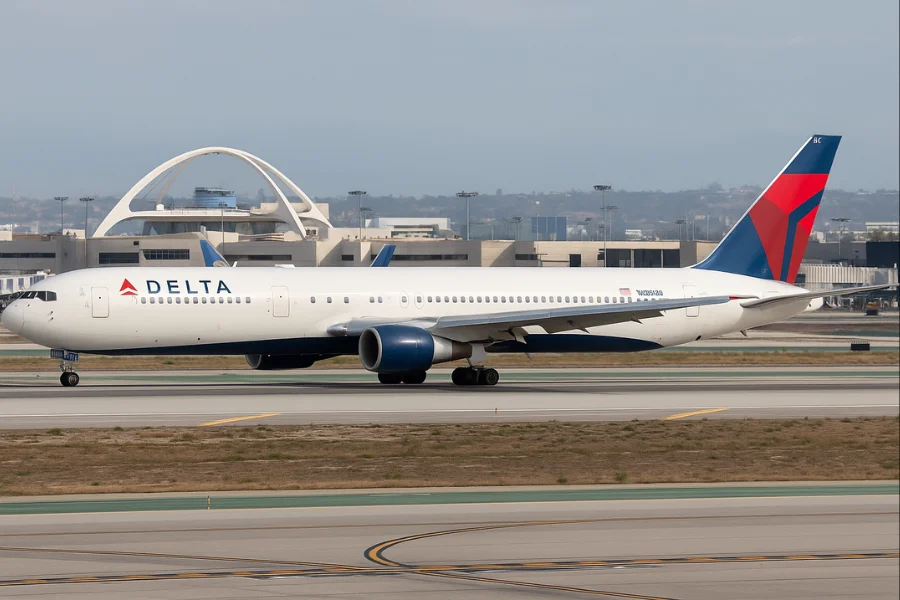
It’s important to understand the difference between a precaution and an emergency. A precaution is about acting early to prevent problems. An emergency is a reaction to something already going wrong. On DL275, the alert in the engine anti-ice system triggered a precaution. Pilots didn’t wait for failure—they acted to keep everyone safe. Emergencies usually involve immediate danger, like engine failure or severe weather. In this case, the aircraft was fully controllable, systems were functioning, and the crew had time to plan the diversion. Acting early means more options and better outcomes. Think of it like noticing your car’s tire pressure dropping slowly. You stop at the next service station rather than waiting until the tire blows out on the highway. That small, timely action prevents a crisis. Aviation operates the same way: early, calm responses are the standard.
How modern aircraft handle system issues
Modern aircraft are built to manage alerts safely. Every critical system has backups. If one system fails or shows irregular readings, others automatically take over. The Airbus A350, like the one on DL275, constantly monitors engines, electronics, and flight controls. Data is sent to both pilots and ground teams. This layered approach ensures that a minor technical issue doesn’t affect the plane’s stability. Pilots are trained to respond methodically, using checklists and consulting operations teams. These steps reduce risk and prevent panic. Even over remote areas like the North Pacific, aircraft can maintain normal flight safely. Redundant systems are like a safety net: they catch problems before they become emergencies. Passengers rarely notice these alerts because the plane remains stable, communications are clear, and the crew handles everything quietly.
What kept passengers safe throughout
Passengers stayed safe because of early action, clear procedures, and coordinated support. From the moment the anti-ice alert appeared, the crew monitored the situation, consulted ground teams, and followed airline protocols step by step. Communication is key: announcements kept travelers informed without causing alarm. The aircraft flew smoothly during the hours leading to LAX. On the ground, emergency services were on standby, which is standard for diversions. After landing, engineers inspected the aircraft before it was cleared for further flights. For passengers, this meant a safe, stable, and well-managed experience, even if it caused delays. Modern aviation is designed so that even unusual situations like this are handled calmly and efficiently. Every layer of safety—from onboard systems to airport support—worked as intended.
What Passengers Experienced Onboard
Seeing a diversion unfold from your seat can feel stressful, even if everything is under control. On Delta Flight DL275 diverted LAX, passengers experienced exactly this. At first, there was a moment of surprise when the plane changed course. It’s normal to feel anxious or start imagining worst-case scenarios. The cabin crew quickly stepped in to provide calm, clear communication. They explained that the diversion was a precaution and that the aircraft remained stable. These announcements were short, simple, and reassuring—enough to inform passengers without overwhelming them with technical jargon. For many, hearing the crew’s confidence helped reduce fear and allowed them to settle back into their seats. Even experienced travelers can feel tense during unexpected situations, but a calm, professional crew makes a huge difference. Throughout the flight, the plane continued at cruising altitude with no turbulence or technical issues affecting its performance, so passengers were safe from start to finish.
Crew communication and passenger reactions
The way the crew communicates can completely shape passenger experience. On DL275, flight attendants and pilots kept everyone updated at key moments. They explained the reason for the diversion, reassured passengers that the plane was stable, and outlined what would happen upon landing. This approach prevents confusion and reduces unnecessary stress. Passengers naturally reacted with a mix of emotions. Some were worried about safety, while others focused on travel logistics like missed connections or luggage. Many shared experiences on social media, expressing relief that the crew remained calm. Clear, honest updates help passengers trust the airline and the pilots’ decisions. Even small gestures, like checking in individually with passengers or explaining procedures, go a long way. HubSpot reports that transparency during disruptions increases customer trust, which is critical in aviation. For passengers on DL275, the crew’s communication turned a potentially stressful situation into a controlled, manageable experience.
Common worries during a diversion
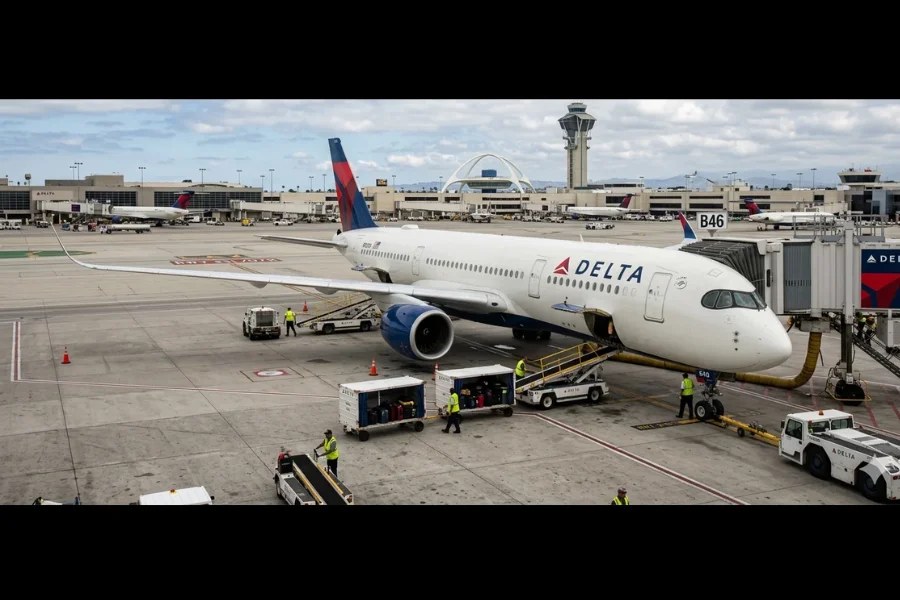
During any mid-air diversion, passengers often have similar concerns. You might worry about safety, timing, or connections. Some fear that the plane might not land safely. Others think about how a delay affects hotel bookings, work schedules, or family plans. On DL275, reactions were a mix of anxiety, curiosity, and cautious observation. Passengers frequently asked questions, and crew announcements reassured them. In practical terms, a diversion is stressful like when a bus suddenly changes route—you wonder if you’ll reach your destination on time. But unlike a bus, planes have multiple safety layers, and every decision is supported by experts on the ground. For most passengers, the tension eases once they understand the situation and see that the flight is under control. A little worry is natural, but it doesn’t reflect danger. The crew and airline support are there to handle logistics and ensure everyone reaches their destination safely.
What happened after landing at LAX
Once Delta Flight DL275 safely reached LAX, the next steps focused on passenger care. Everyone disembarked calmly, and no injuries were reported. Airline staff immediately assisted travelers with rebooking connecting flights, arranging hotels, and providing meals when delays occurred. Passengers appreciated that support was organized and timely, turning a stressful event into a manageable one. Maintenance teams also inspected the aircraft before allowing any further flights. This coordination between flight crews, ground staff, and airport teams ensures passengers feel safe and supported after a diversion. From a passenger’s perspective, the landing and post-flight support are just as important as the flight itself. According to HubSpot, proactive communication during disruptions strengthens customer trust and satisfaction. For DL275 travelers, the combination of a smooth landing, clear updates, and assistance with travel logistics left most feeling reassured despite the unexpected detour.
How Airlines Handle Flight Diversions Behind the Scenes
When a plane like Delta Flight DL275 diverts mid-air, most of what happens is invisible to passengers. You see the plane change course and the crew making announcements, but behind the scenes, a complex system swings into action. Airlines have detailed protocols to handle diversions safely and efficiently. These steps start the moment the crew detects an issue. Data from the aircraft is monitored, and engineers and operations teams on the ground analyze it immediately. Everyone works together to ensure the safest landing and smooth passenger experience. This coordinated response also includes notifying airport authorities, arranging emergency services if needed, and preparing the runway and support equipment for the plane. By handling technical, operational, and logistical tasks simultaneously, airlines minimize disruption and keep passengers safe. Diversions may feel sudden, but in reality, they follow carefully practiced procedures honed over years of training. For passengers, this means a well-managed landing, even when events are unexpected.
Pilot procedures and airline protocols
Pilots are trained to handle diversions calmly and methodically. When an alert appears, like the engine anti-ice irregularity on DL275, pilots first assess the aircraft’s systems and performance. They follow checklists and confirm data to understand the issue clearly. Next, they contact ground operations teams, which include engineers, flight planners, and dispatchers. Together, they evaluate possible airports, runway conditions, fuel levels, and weather, ultimately choosing the safest landing option. This process reduces errors and ensures decisions aren’t made in isolation. Crew members continue communicating with passengers throughout, providing updates and instructions as needed. The protocols also include preparing the cabin for landing and coordinating with emergency services, even if the risk is low. Airlines conduct regular training and simulations for such events, so pilots and staff can respond calmly, no matter how unusual the situation. This combination of clear procedures and teamwork keeps diversions safe and controlled.
Passenger care: rebooking, hotels, and support
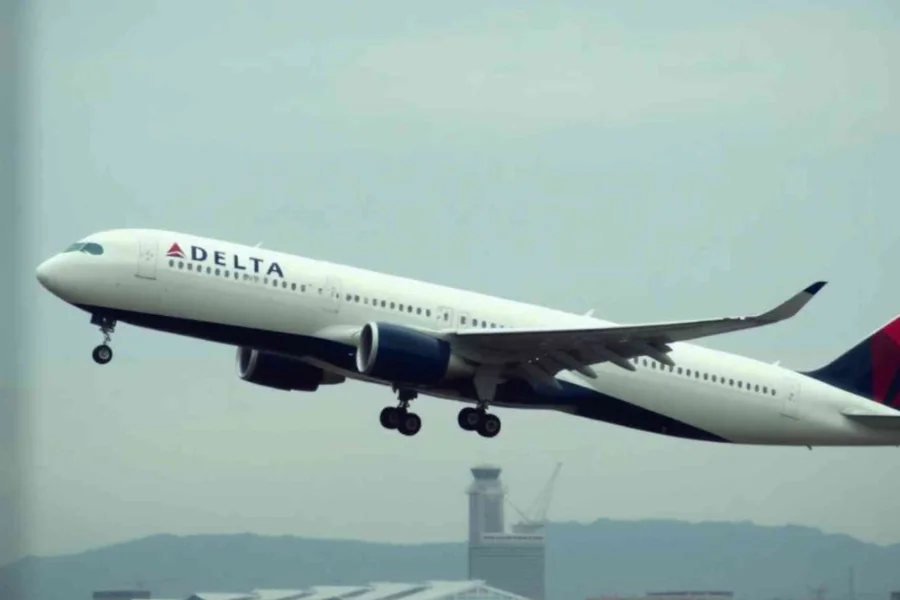
Handling passengers is a top priority during a diversion. Airlines like Delta quickly set up systems to assist travelers affected by delays. For DL275, after landing at LAX, support teams helped passengers rebook onward flights, arranged hotel stays if needed, and provided meals or vouchers. Airline staff often coordinate with ground operations to manage luggage, update connecting flights, and offer guidance on travel changes. Clear communication is critical; passengers are more relaxed when they know the plan and next steps. These actions prevent frustration, reduce confusion, and help travelers feel cared for. It’s a reminder that diversions aren’t just about the plane—they’re about the people on it. A well-coordinated passenger support system turns a stressful situation into a manageable one, ensuring travelers can continue their journey with minimal disruption.
Operational and cost impact on airlines
Diversions aren’t cheap. Every unexpected landing adds fuel costs, staff hours, airport fees, and possible delays for other flights. Industry estimates suggest a single long-haul diversion can cost airlines millions of dollars. Despite the expense, airlines always prioritize safety over cost. A safe landing protects passengers, crew, and the airline’s reputation. Ground operations, maintenance teams, and flight crews coordinate to address the technical issue and minimize additional disruptions. Even the seemingly small steps, like arranging passenger accommodations, contribute to operational expenses. Airlines budget for these contingencies because safety is non-negotiable. While costly, these protocols and support systems ensure passengers remain protected and flights stay as smooth as possible. For travelers, it’s a reassurance that even though diversions are inconvenient, every measure is taken to keep you safe and supported.
Final Words
Delta Flight DL275 diverted to LAX after pilots noticed a minor engine anti-ice system alert. At first, passengers may have felt worried, but the plane remained stable throughout. Modern aircraft like the Airbus A350 are built with multiple backup systems, allowing pilots to act on warnings without compromising safety. The decision to divert wasn’t due to a failure—it was a precaution, like noticing a warning light in your car and addressing it early. Pilots worked closely with ground teams to select Los Angeles International Airport because it offers long runways, expert maintenance, and full support for passengers. During the flight, clear communication from the crew helped reduce anxiety. After landing, airline staff assisted with rebooking, hotels, and meals. Diversions like this are costly and rare, but they reflect the aviation industry’s priority: your safety. For travelers, this incident is a reminder that early action and teamwork keep flights secure, even when minor alerts appear mid-air.
Get More Information On Arcadia Movers.